
There’s always a great story to discover. From highly-anticipated releases and compelling nonfictions to stories featuring beloved characters and treasured worlds, Disney Publishing offers books for everyone, at every age.
On Disney Parks Blog, we’re sharing the latest news from Disney Publishing — upcoming releases, book recommendations, author and illustrator features, behind-the-scenes stories, and much more. Whether you’re building your must-read list, looking for your new family favorite, or browsing for the perfect gift, visit us often to discover your next great read.
september 21, 2026
Winnie the Pooh: 100 Mindful Moments by Nancy Parent
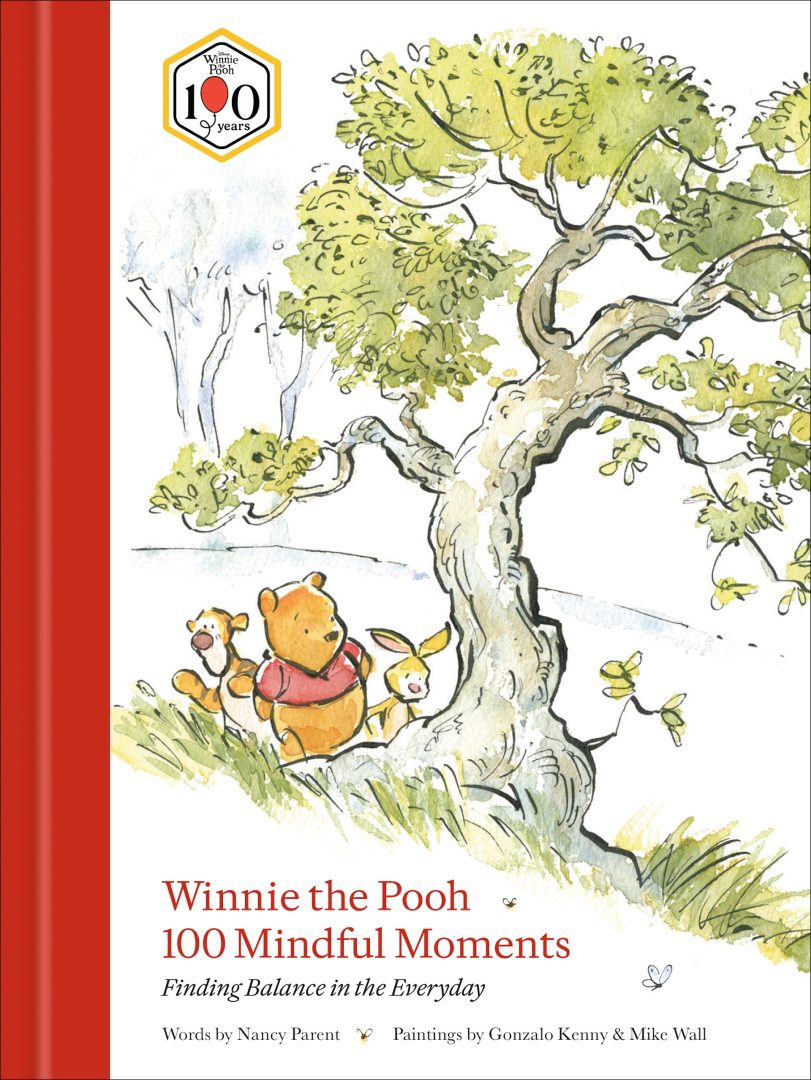
In 1926, A.A. Milne first welcomed readers into the Hundred Acre Wood with the publication of Winnie-the-Pooh. A century later, Winnie the Pooh and his friends continue to remind us to slow down, cherish our friendships, and find meaning in life’s smallest moments.
As Disney Publishing celebrates 100 years of Winnie the Pooh, Random House Worlds is joining the celebration with Winnie the Pooh: 100 Mindful Moments. Before the book arrives on September 22, we’re sharing a look at two of its whimsically illustrated mindful moments as our September Book of the Month.
Each of the book’s 100 moments pairs a story featuring Winnie the Pooh and his friends with a simple prompt readers can bring into their own lives. The two below, “Finding Joy in Little Things” and “Trying a New Hobby,” felt especially meaningful to me.
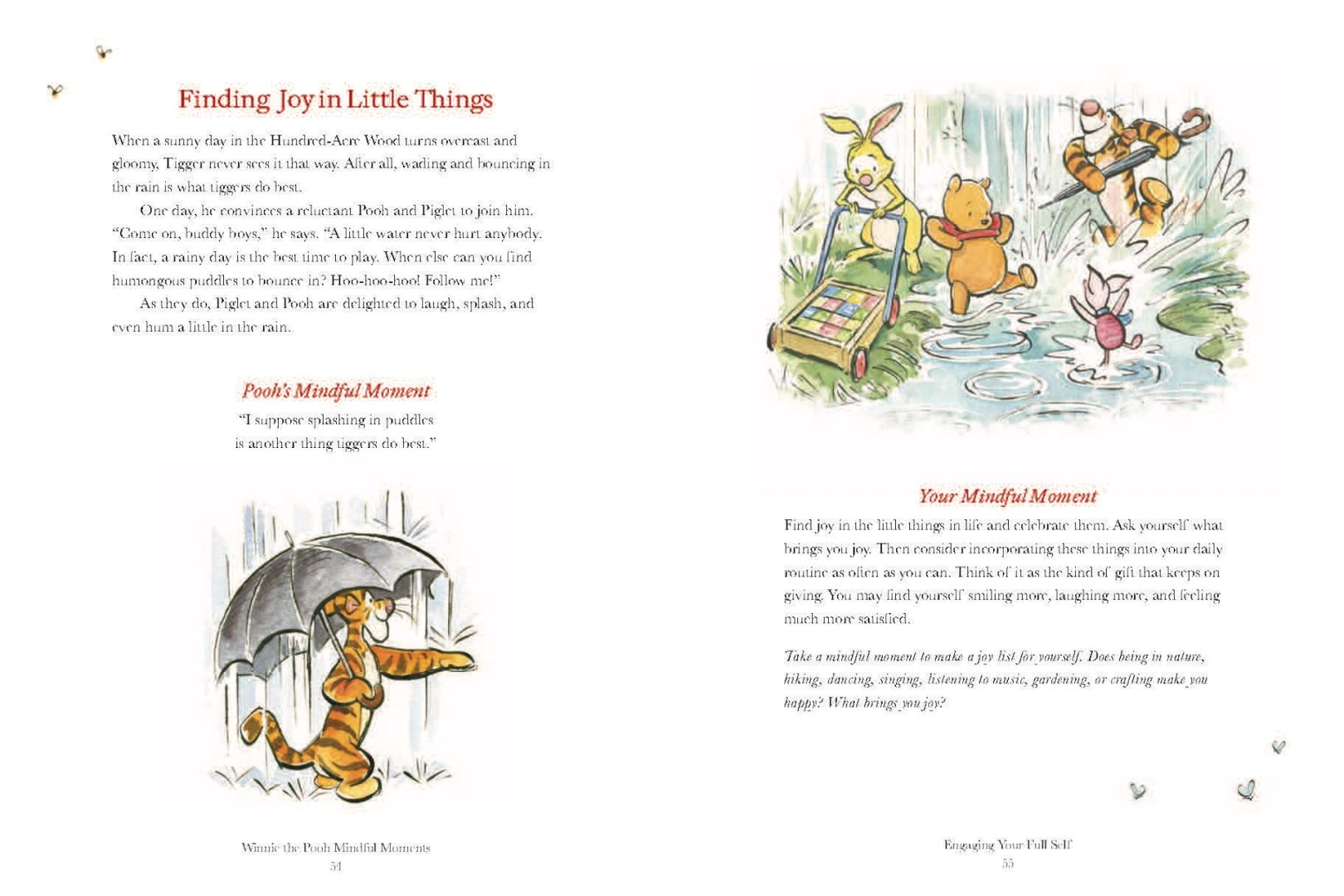


Finding Joy in Little Things
From Winnie the Pooh: 100 Mindful Moments by Nancy Parent
I love the way Tigger sees the rain as an invitation to play and helps Winnie the Pooh and Piglet see it that way, too.
As I’ve gotten older, I’ve taken more time to think about the things that bring me joy. Life is fast-paced and busy, and we can become so distracted by our responsibilities that the things that exist purely to make us happy get pushed aside. We forget to pause and look around.
For me, joy can be found in the first bite of an afternoon chocolate chip cookie, bought for no reason other than enjoyment. It’s looking up at an open sky with the sun shining and knowing the day is mine. An open sky and an open schedule. Nothing planned. Or it’s having time to read, turn off my brain, and relax with no responsibilities, at least for a brief moment. Maybe finding joy in the little things is as simple as approaching an ordinary day the way Tigger approaches the rain: looking for the puddle worth jumping into.
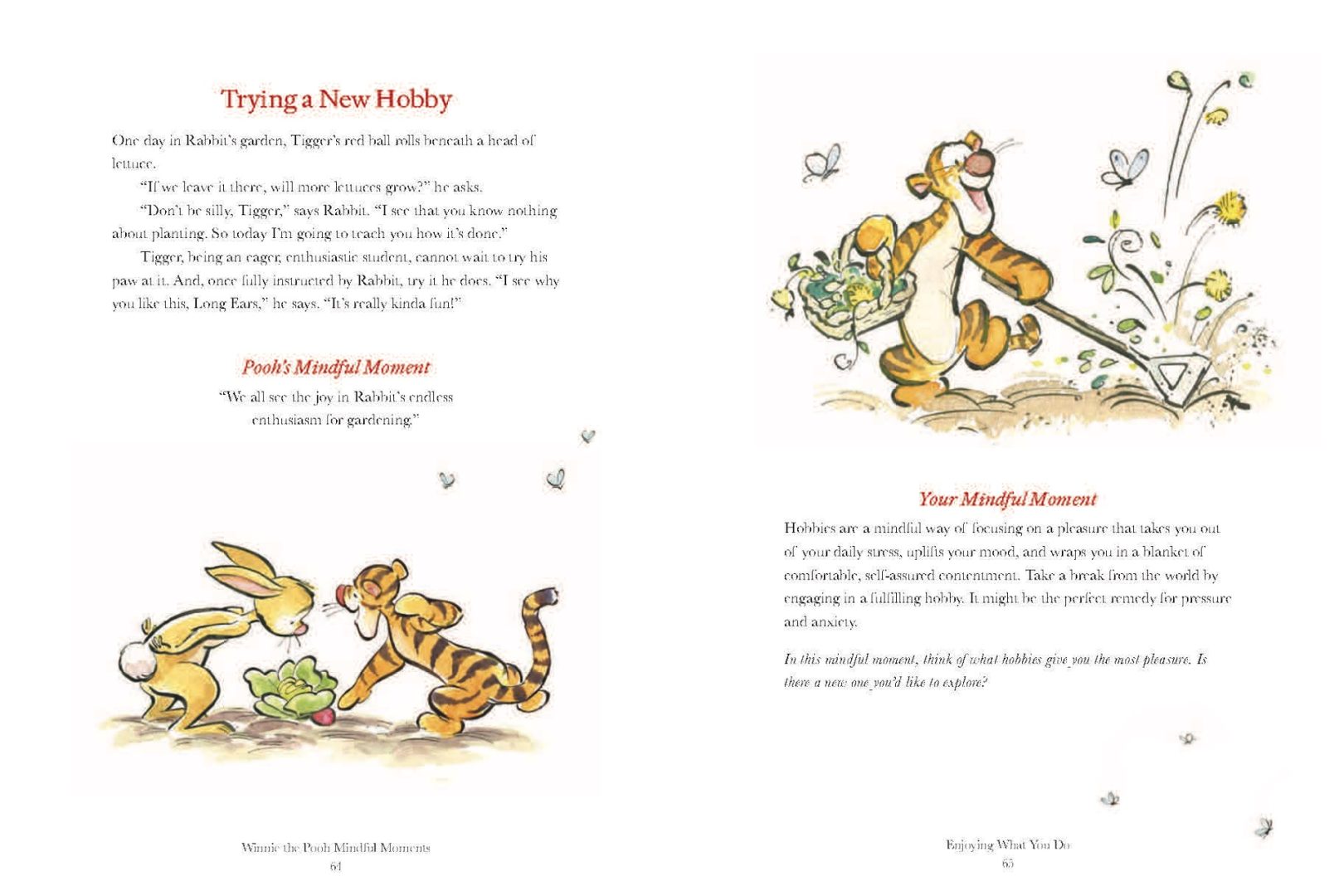
Trying a New Hobby
From Winnie the Pooh: 100 Mindful Moments by Nancy Parent
What I love about Tigger here is that he doesn’t need to know anything about gardening before giving it a try. He is curious, enthusiastic, and open to being surprised by how much he enjoys it.
I remember trying something new almost every year in middle school. Dance classes. Violin lessons. I’m still sorry about that one, Mom. It was fun to explore new activities in search of the one thing I might excel at. But as I got older, the hobbies I wasn’t necessarily the best at fell by the wayside.
Now, I gravitate toward hobbies I can do with my hands. Whether I’m painting something sloppy in mismatched colors, sewing together a book I plan to gift to a friend, or practicing my calligraphy in a handwritten note, I like that the work holds my attention. My mind is empty. I don’t want every day to be the same. I want to continue learning, exploring, and opening my world to new experiences, even if I’m not immediately good at everything I try.
This September, I’m taking a cue from Winnie the Pooh and making my own joy list and giving myself permission to try something new without worrying about being good at it. I hope these pages inspire you to find a mindful moment of your own.
Winnie the Pooh: 100 Mindful Moments arrives September 22.
August 13, 2026
Floating Mountains: The Art of Imagining the Impossible by Joe Rohde
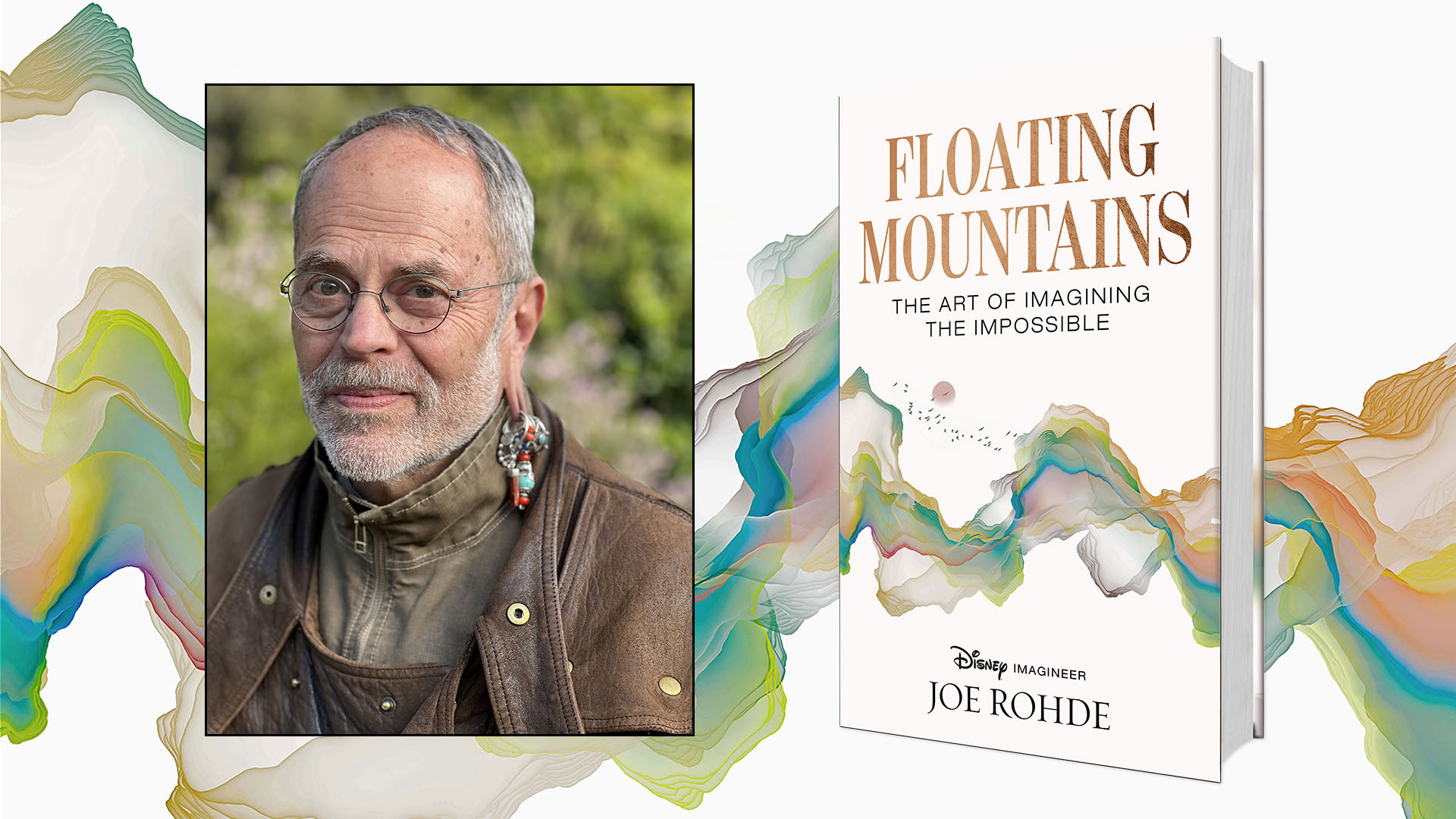
Working in publishing comes with perks, like getting to read books before they reach the hands of readers. At Disney Publishing, the perk goes beyond that; it extends to the author that we get to work with and learn from. From Disney Legends, to Imagineers, to the voices of your favorite Princesses, and more; these stories ignite passion and spark imagination.
Ahead of this year’s D23: The Ultimate Fan Event, we wanted to share a look at Floating Mountains: The Art of Imagining the Impossible by Disney Legend and Walt Disney Imagineering veteran (and bookworm), Joe Rohde.
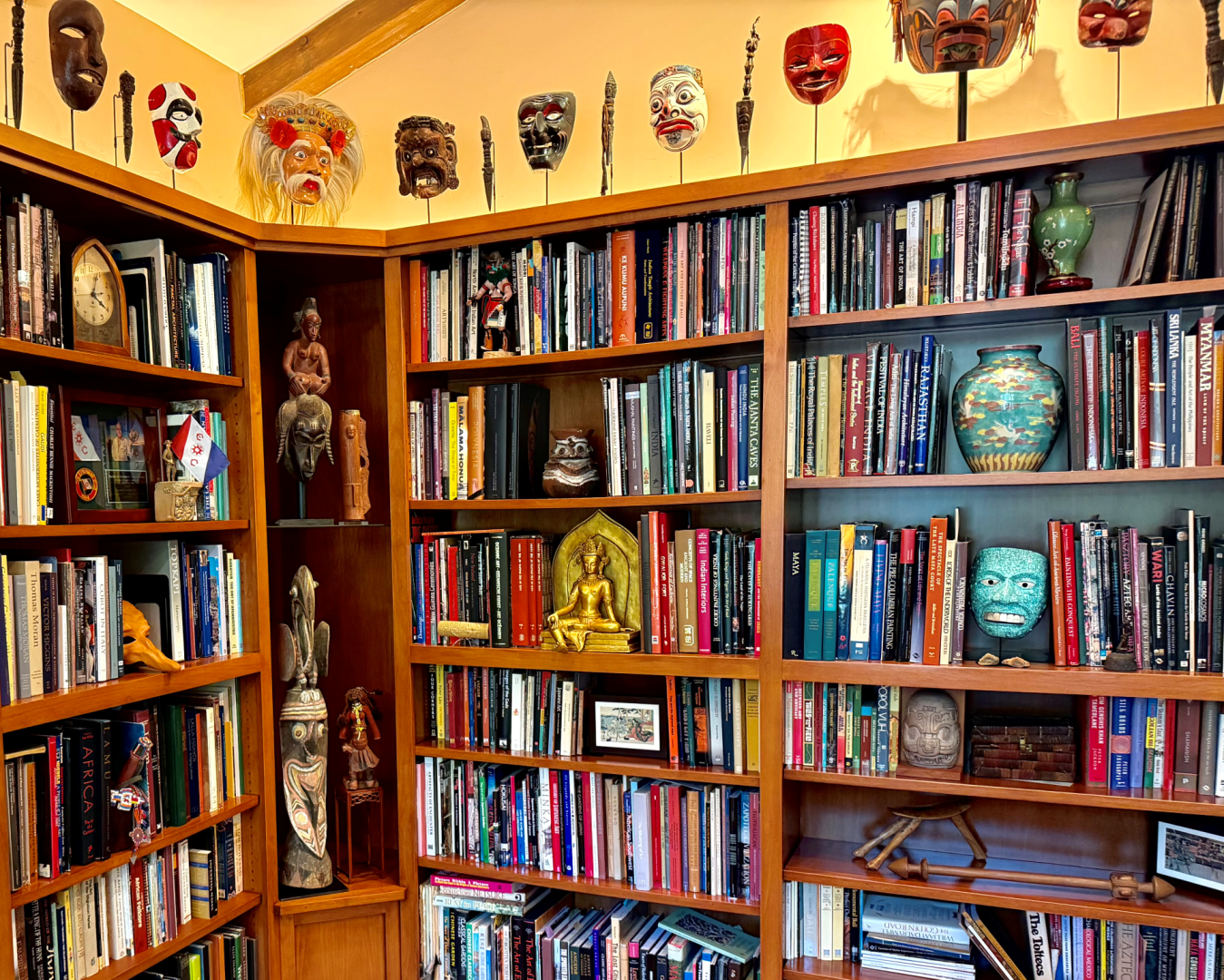
Chapter 4: Bookworm to Backpack
From Floating Mountains by Joe Rohde
I believe that every creative person should be constantly accumulating knowledge, pure knowledge for the sake of knowledge itself. Research shows that elevated levels of curiosity are directly connected to creativity. What you know directly impacts what you are able to create, so it is good to know as much as you can.
In my childhood home on O‘ahu, the natural world intruded upon everything. We lived with all kinds of insects inside our rotting old house, as well as the chubby geckos that hunted them. The sprawling disheveled yard was populated by more lizards, cane toads, centipedes, mongooses, rats, butterflies, giant African snails, dragonflies, and an encyclopedia’s worth of birds.
I was never very far from a stream or pond where I could search for critters to collect. The solitude and beauty of my streamside hunts provided a welcome relief from the chaos of our household, which was constantly preoccupied with some sort of medical or economic crisis. This early experience with nature conditioned me to think of exploration as something joyful, even relaxing.
My world of exploration grew exponentially when we moved to California. My high school ran an active backcountry hiking program that allowed us to penetrate remote, untrammeled trails in the Sierra Nevada mountain range. But in my young adulthood, I didn’t have the economic means to go anywhere else. Instead, I channeled my exploratory interest into learning, chiefly through books. A lot of books.
My mother had used the Hawai‘i State Library in Honolulu as an improvised day care center when I was between five and seven years old because it was across the street from the clinic where my brother received care. I wandered for hours amid the towering stacks of books, many of which were too complex for me to read. Still, I would open them up and do my best to parse the captions under the photographs. Ever since, I have been a person of books. There are stacks beside my bed. They fill my studio.
My family knows that for Christmas, birthdays, and any other occasion, they can present me with almost any book randomly picked off a shelf and I will read it. For example, a three-volume history of technology from the Oxford University Press, each volume 800 pages long. A book on earthworms. A book called The Premonitions Bureau about a British governmental organization attempting to leverage the powers of extrasensory perception (ESP). The satirical detective fiction of Carl Hiaasen. A reprinted monograph of a 1635 book on everything from unnatural marvels to making soup. I will at least try to read a book about anything. All knowledge is interrelated, so it is truly interesting to read almost anything. And if you intend to be a designer, you need to know how to manipulate raw material. Knowledge itself is a kind of raw material. Knowing things is a fundamental creative skill.
The importance of reading—and learning from books—has come up again and again in my career, even in its earliest days. When I first joined Walt Disney Imagineering (then called WED Enterprises) in 1980, I was assigned to the Mexico Pavilion being developed for EPCOT Center (known today simply as EPCOT). Eddie Martinez, who was himself a serious and thorough researcher, led the project. He was good friends with legendary Disney artist Herb Ryman. After only a few weeks as a very junior Imagineer, I was not only introduced to Herb Ryman but also regularly accompanied Eddie on visits to the Ryman home in the San Fernando Valley.
Herbie, as he was universally known, was an adventurer. He had endless piles of sketches from his travels around the world: the gates of Peking in the years before World War II; Angkor Wat in Cambodia, where he spent time living in the ruins with the monks; East Africa; the circus; and, of course, sketches and illustrations for his design projects, most famously those of Disneyland. But everyone knew that Herbie was an artist. What struck me more was that his house was filled with books, all kinds of books. Huge, old leather volumes, paperbacks, art books, history books, books of theory. An insecure young professional, I would have been reluctant to call myself an artist in the presence of Herb Ryman. But books were something I understood very well. Something I had in common with Herb Ryman, because it sure wasn’t talent.
What I realized was that Herbie and I shared a core belief: Books are every bit as much raw material as paint or clay. For a designer like myself (and, dare I say, like Herbie), involved in making places, it’s vital to study places before you visit them and to study them after you have visited, so that you understand the origins and meanings of what you see and saw. It is imperative to study cultures before engaging cultural partners, as both a sign of interest and respect and to maximize the value of their time. It’s important to study your own field of expertise so that you can call yourself a professional. It is valuable to know what you’re looking at, to understand how events, objects, and places come to be. That involves reading, not just looking at pictures.
As a project leader today, I compel my team members to read piles of books at the beginning of each project. Knowledge is power. Books are the storage batteries for that power.
In a world of technology, it’d be easy to think we can bypass books. But there are reasons why reading still matters.*
* Don’t be fooled by your mobile device. All the science says that retention, knowledge, and emotional impact are greater when reading from a physical book.
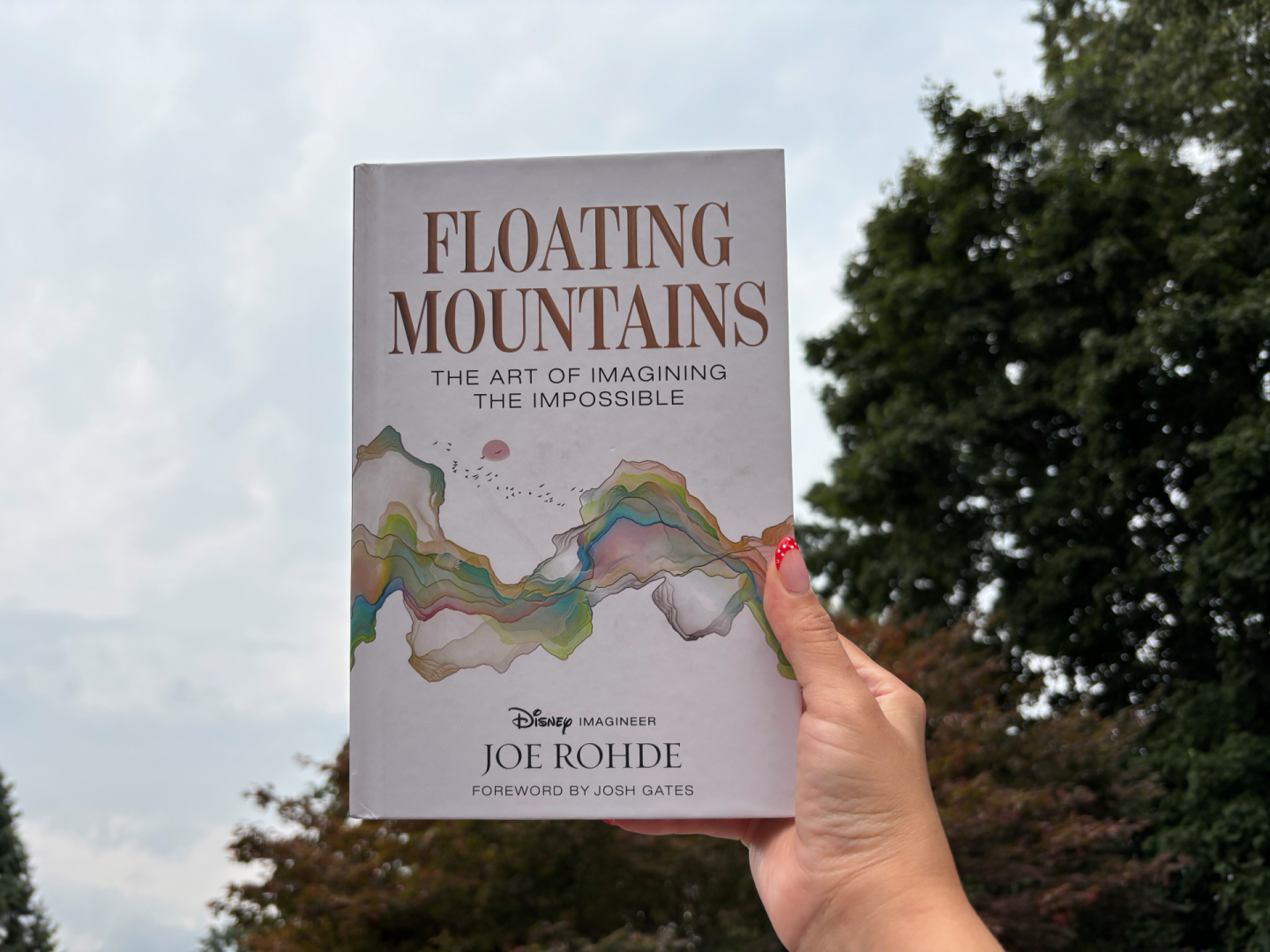
“Floating Mountains weaves together stories, creative exercises, and science — it’s serious and funny and practical and whimsical, illustrated with photos and sketches, with some scary bits and some scholarly bits culled from my life of curiosity and exploration. It’s about embracing and directing the power of an ensemble to achieve something that’s never been done before. I wrote it to empower and inspire everyone to seek and achieve seemingly impossible dreams, and to push their thinking to new heights.” – Joe Rohde