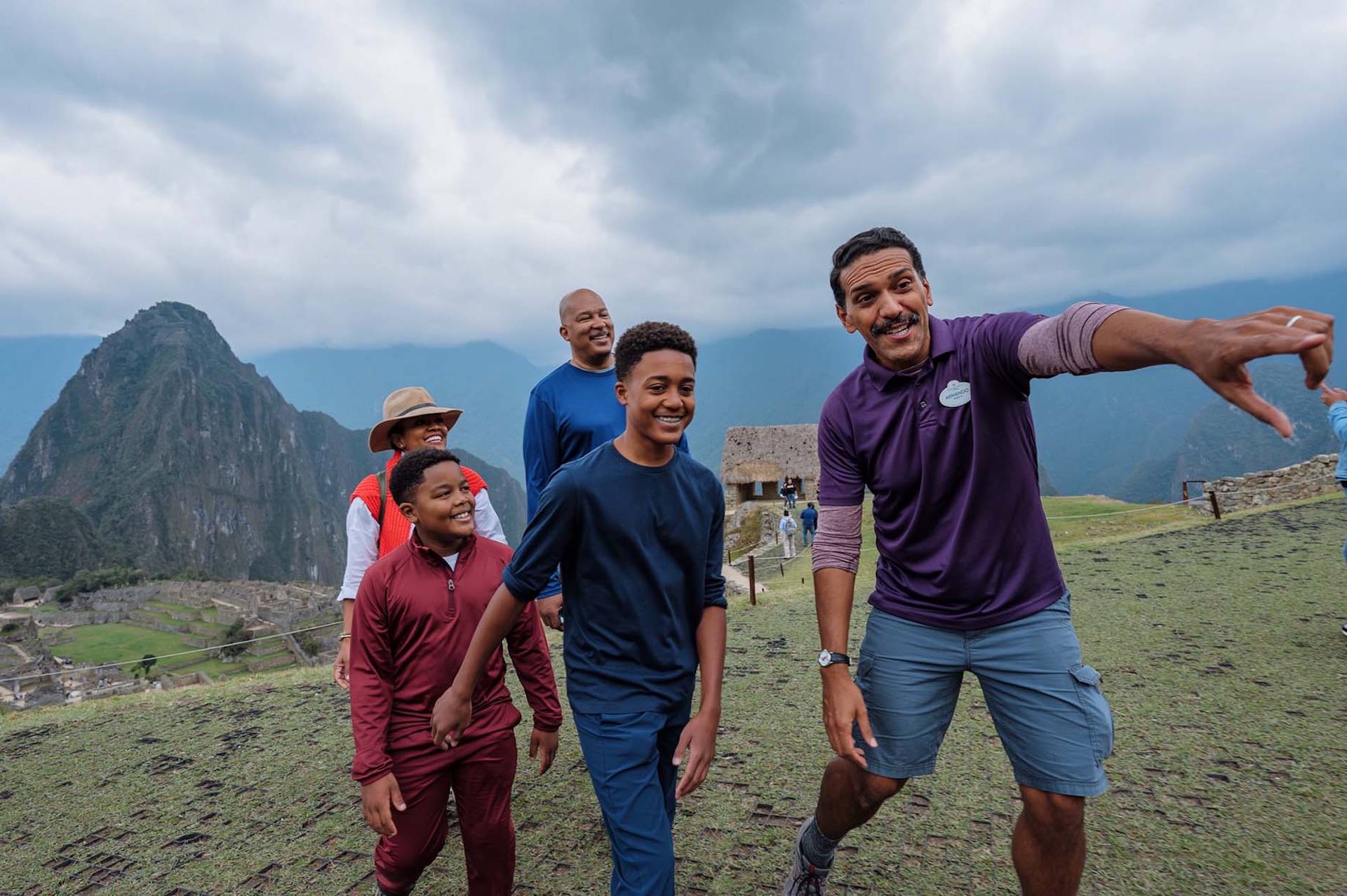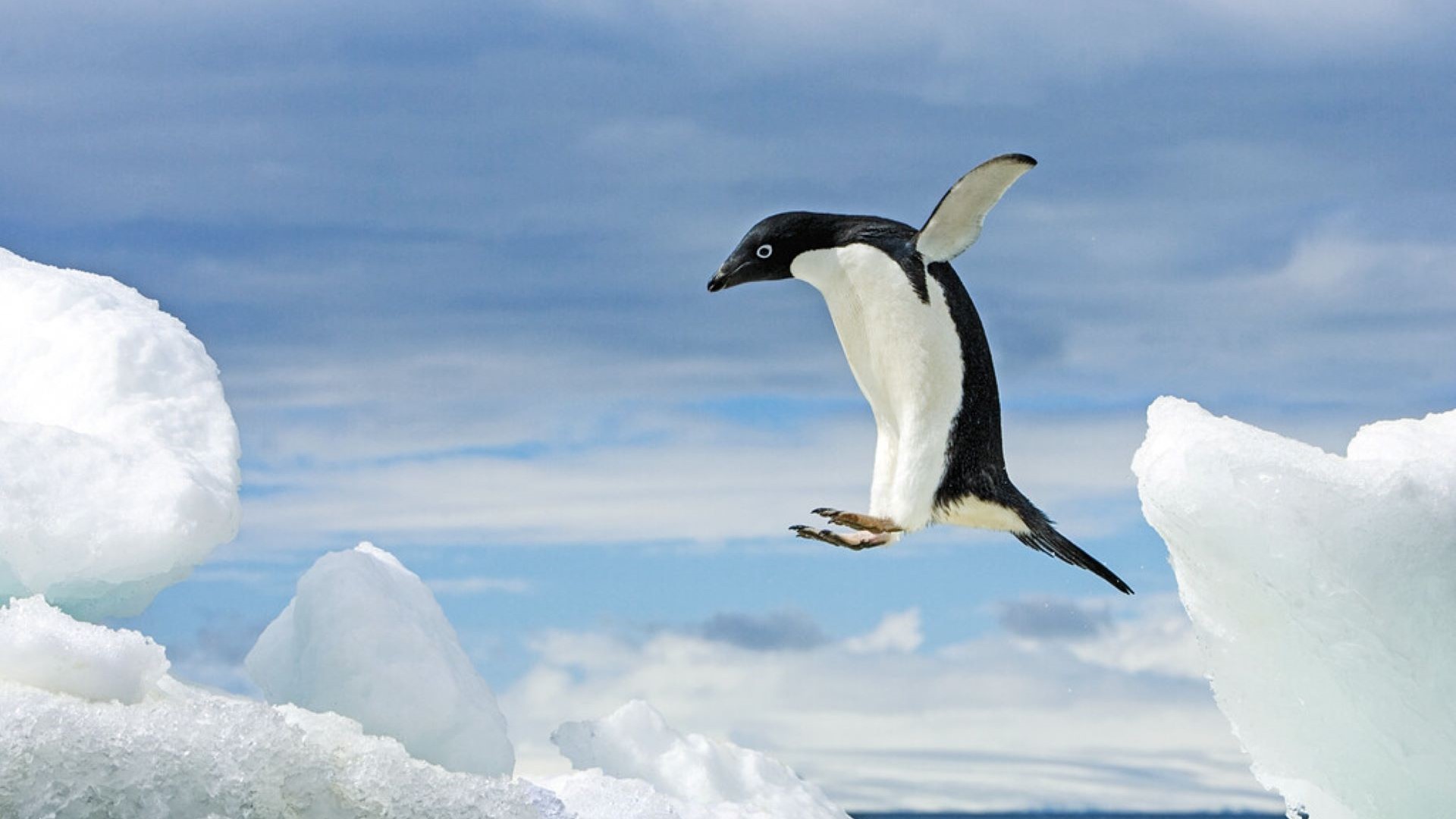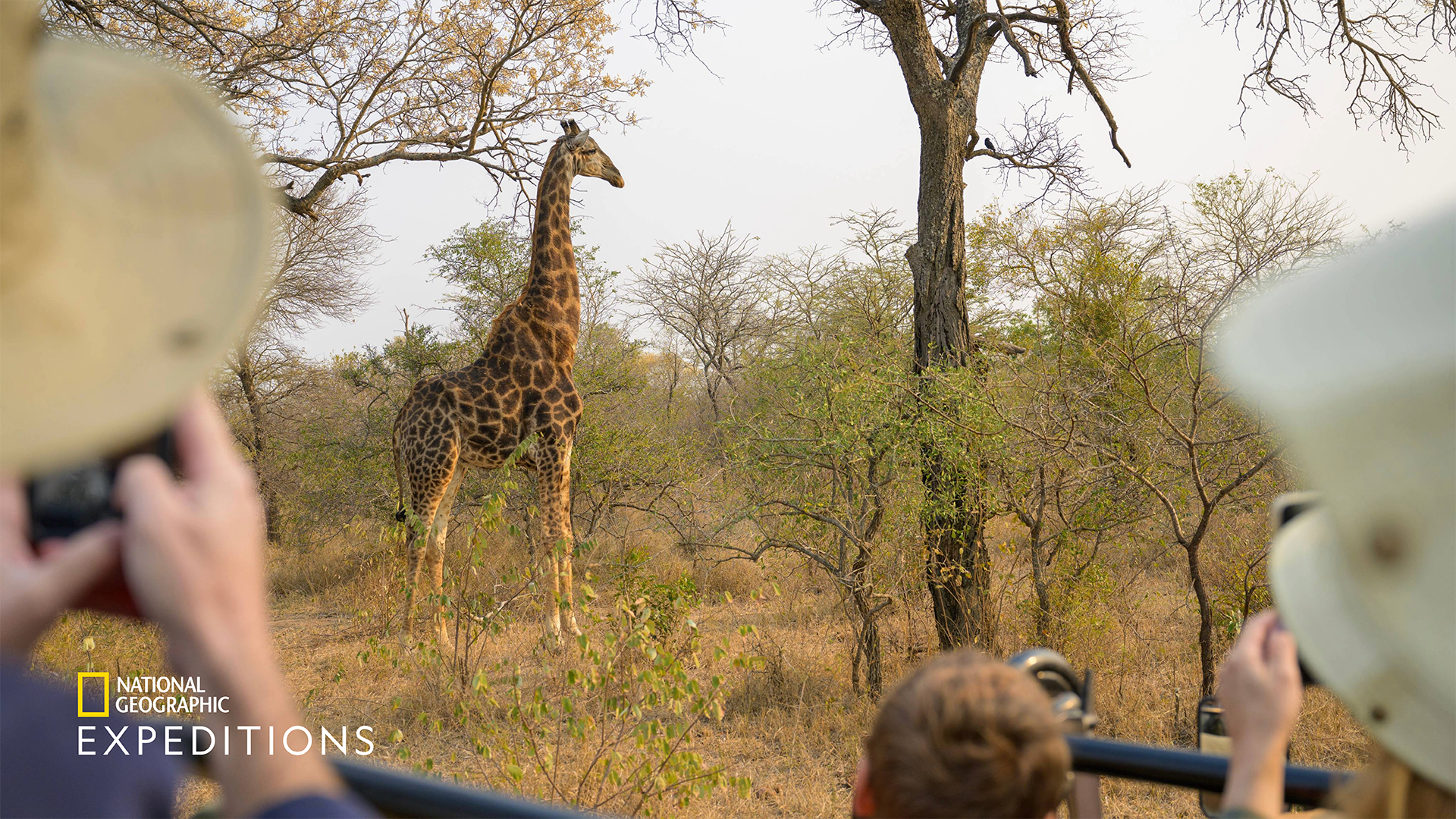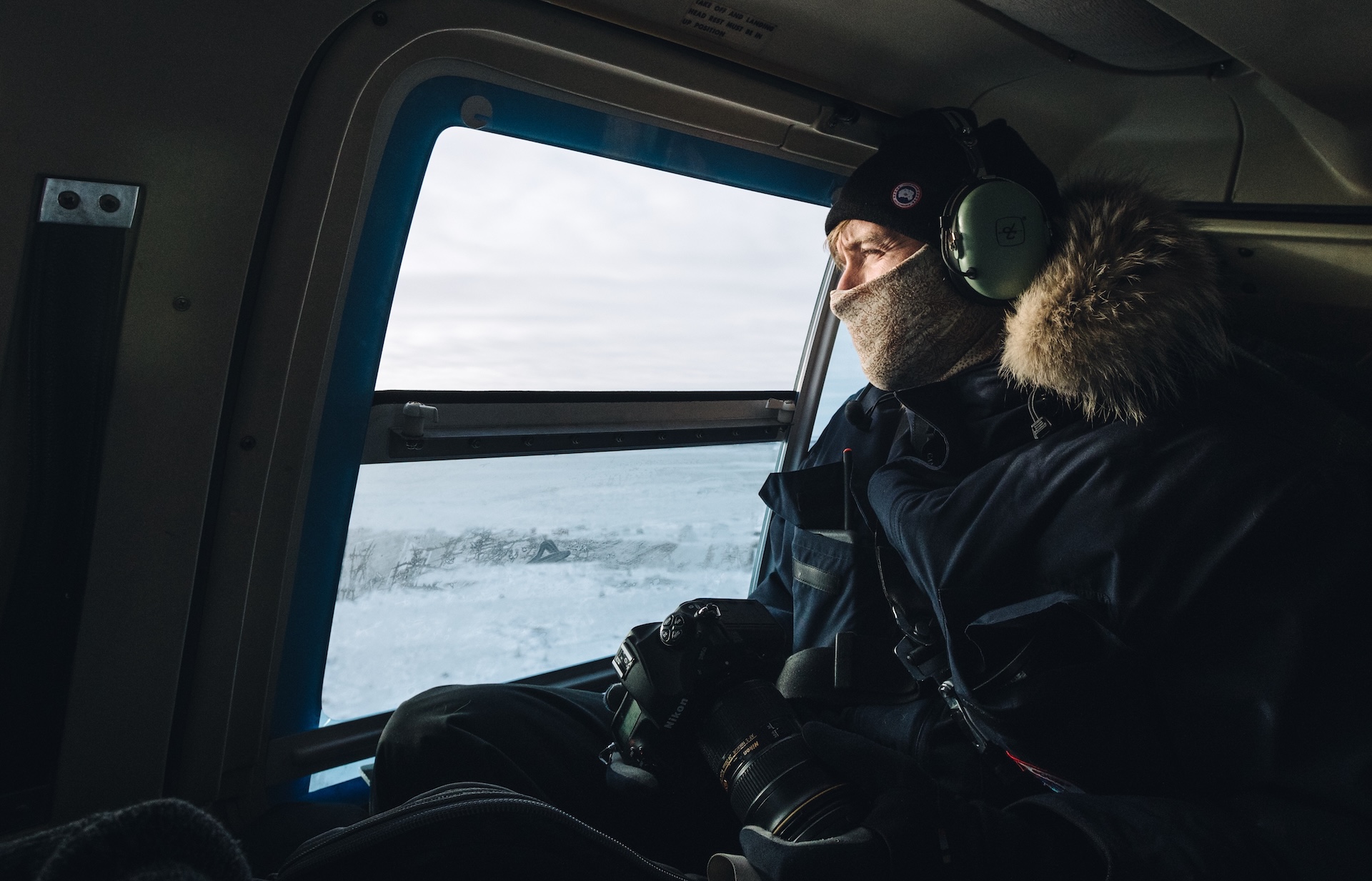




“Photography turns exploration into curiosity, and curiosity allows for a deeper connection with a place or experience.” – Max Lowe
That philosophy is at the heart of what it means to travel with an Expedition Expert on a National Geographic Expeditions trip. It’s about slowing down, looking closer, and experiencing a destination through the lens of someone who understands not just where you are, but why it matters.
With National Geographic Expeditions, curious travelers are invited to explore the world alongside National Geographic Expedition Experts, which may include National Geographic Photographers and Explorers, who bring deeper context, storytelling, and insight to every journey. Their expertise helps turn landscapes into living classrooms and lasting connections.
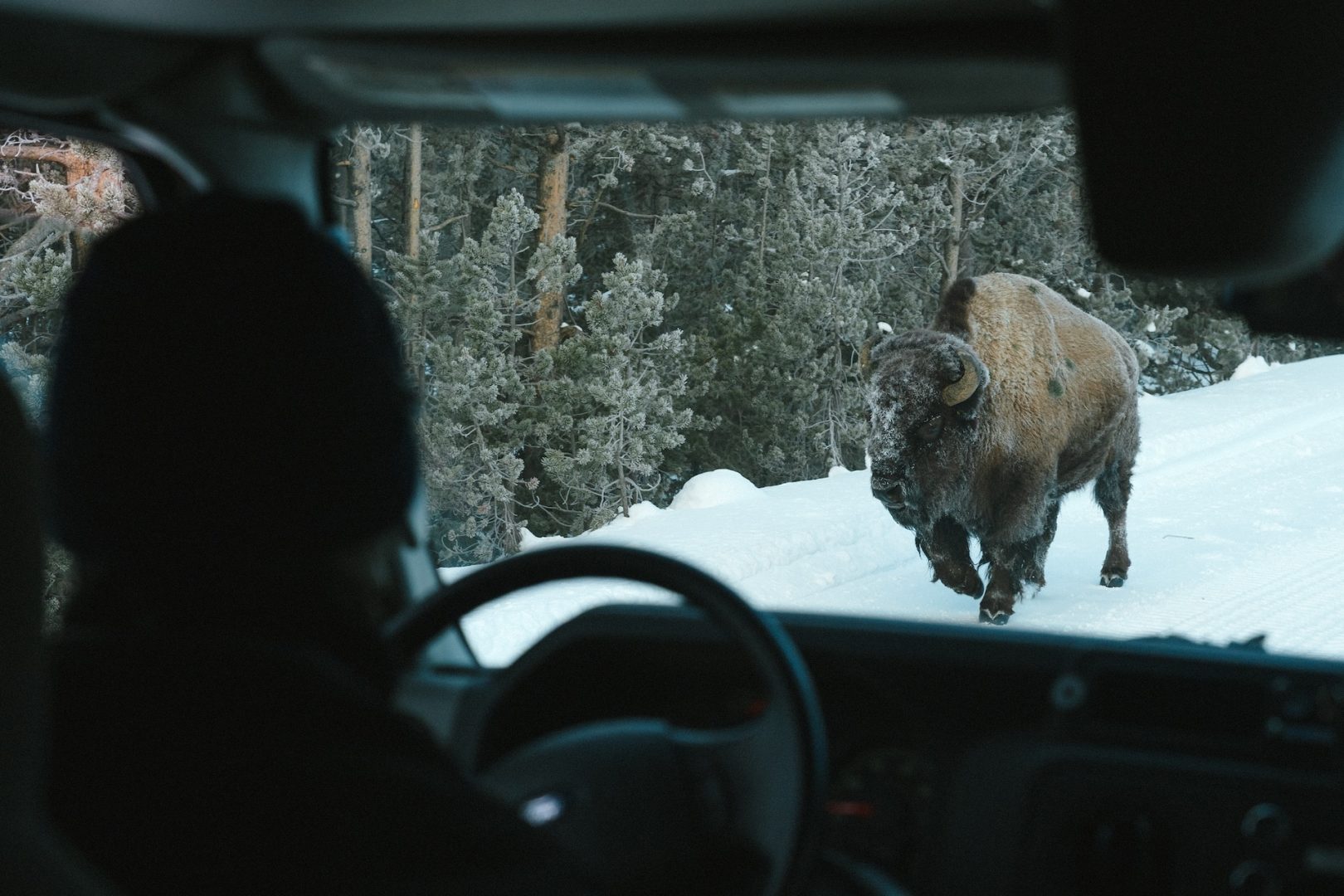
Guests on the National Geographic Expeditions Winter Wildlife Yellowstone trip recently experienced this approach firsthand while traveling with National Geographic Photographer Max Lowe. From snow-covered trails to quiet wildlife encounters, Max shared the moments and perspective that show how patience, access to expertise, and a little curiosity can create a more meaningful connection with the world around us.
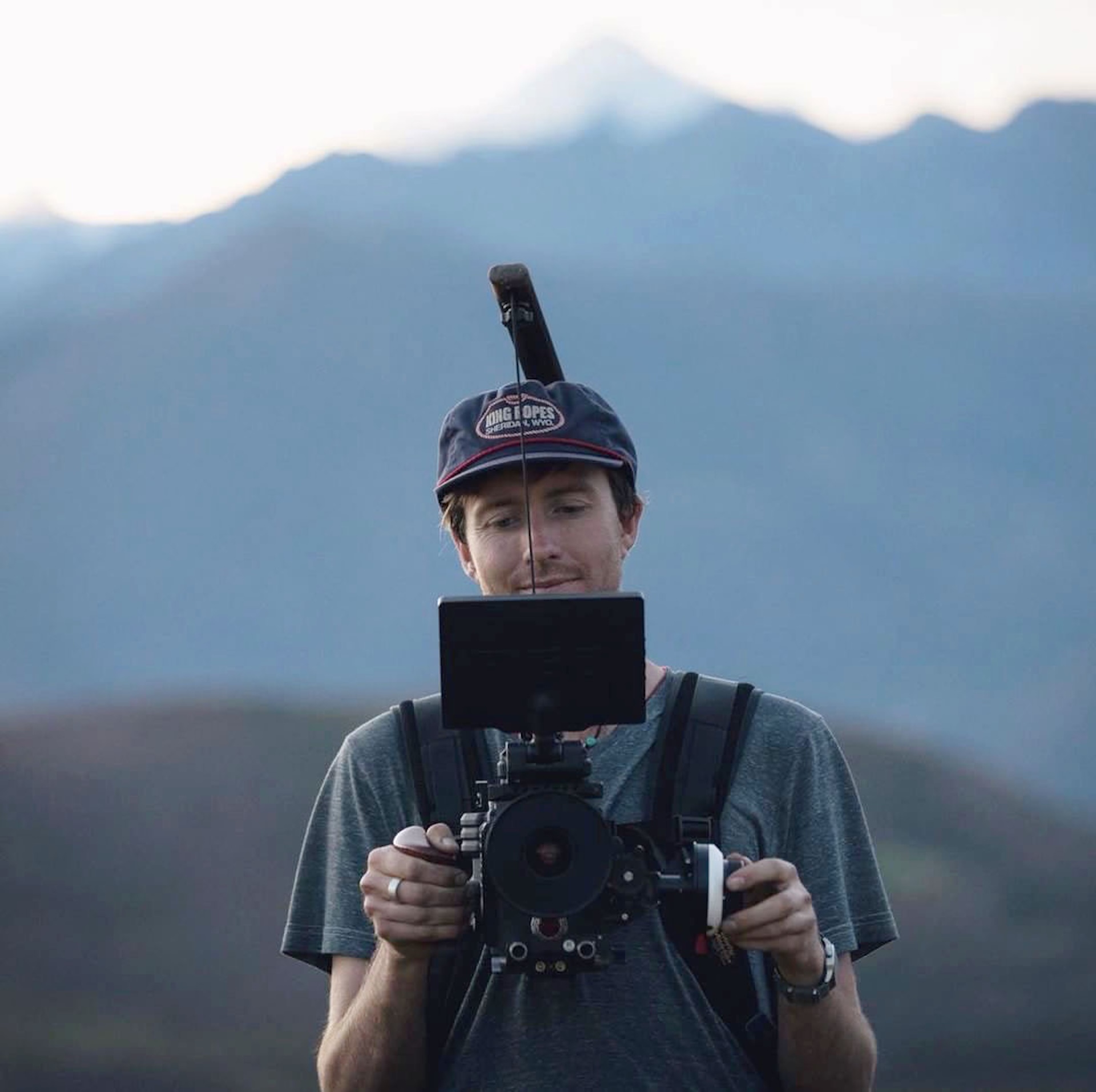
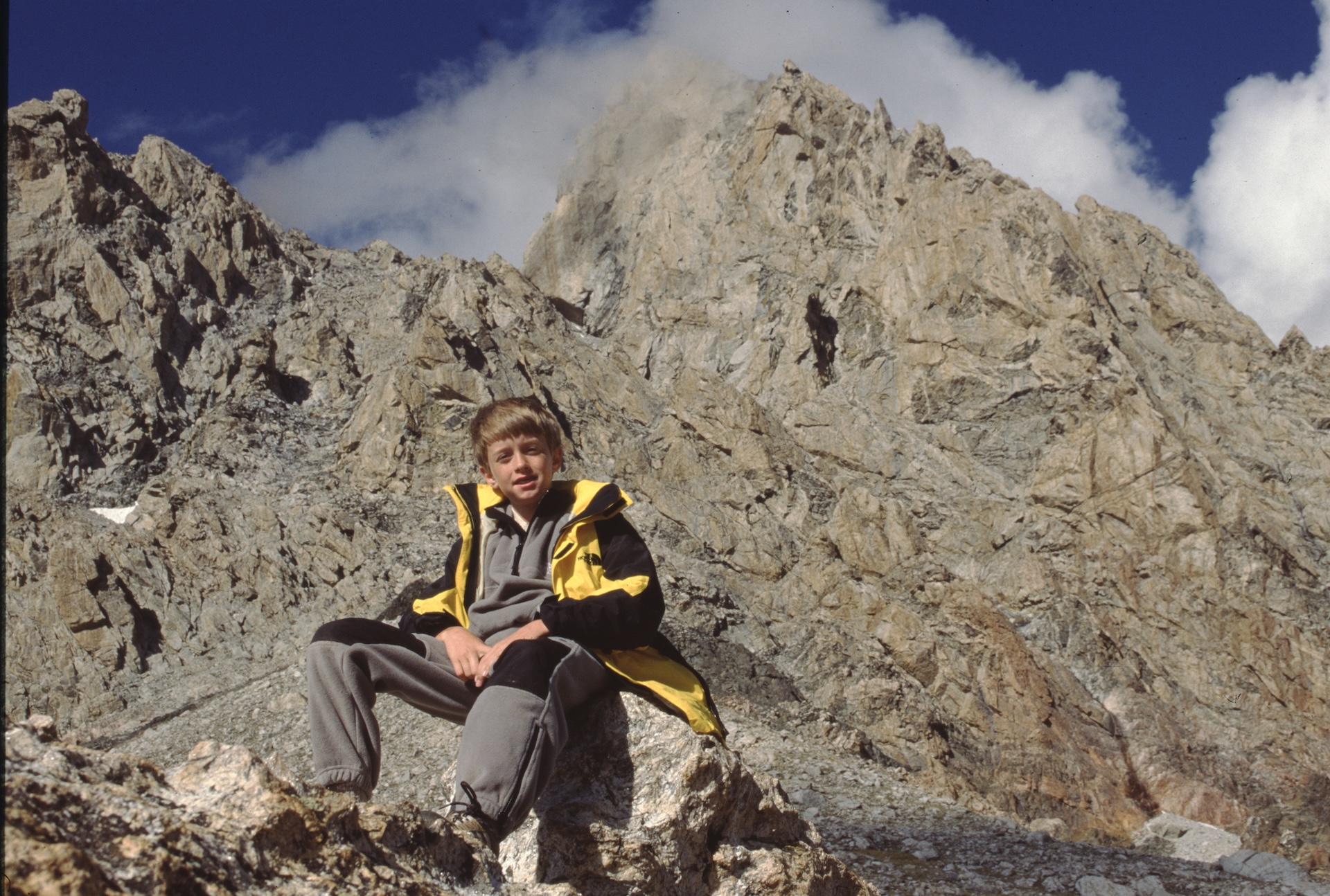
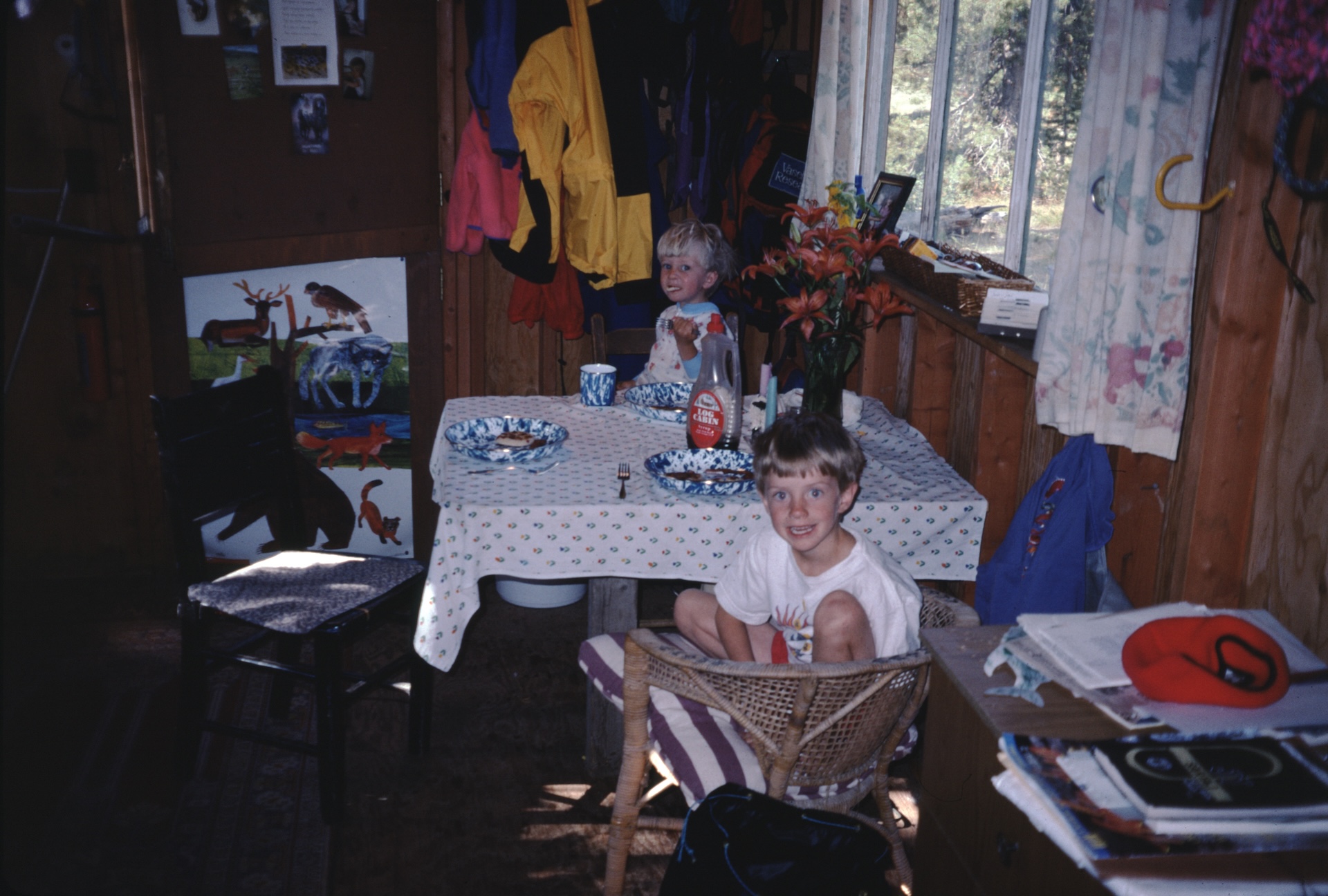
Max Lowe: A Life Shaped by Wild Places
Max’s story began in the neighboring Grand Teton National Park and mountain town of Bozeman, Montana, where he spent much of his childhood immersed in nature. Max even describes the greater Yellowstone ecosystem as “an extension of our backyard.”
Stepson of famous alpinist Conrad Anker, and son of artist and writer Jennifer Lowe, Max grew up in a family rooted in exploration and creativity. That upbringing shaped the way he approaches both travel and photography today.
In 2012, Max received a National Geographic Young Explorers grant, which helped him launch a career that would take him around the world documenting wild landscapes and human stories. His work has since appeared across the National Geographic portfolio, including projects connected to the IMAX film National Parks Adventure. After years of travel and photographing the world, Yellowstone remains the location he values most – a landscape that continues to inspire his work and his connection to nature.
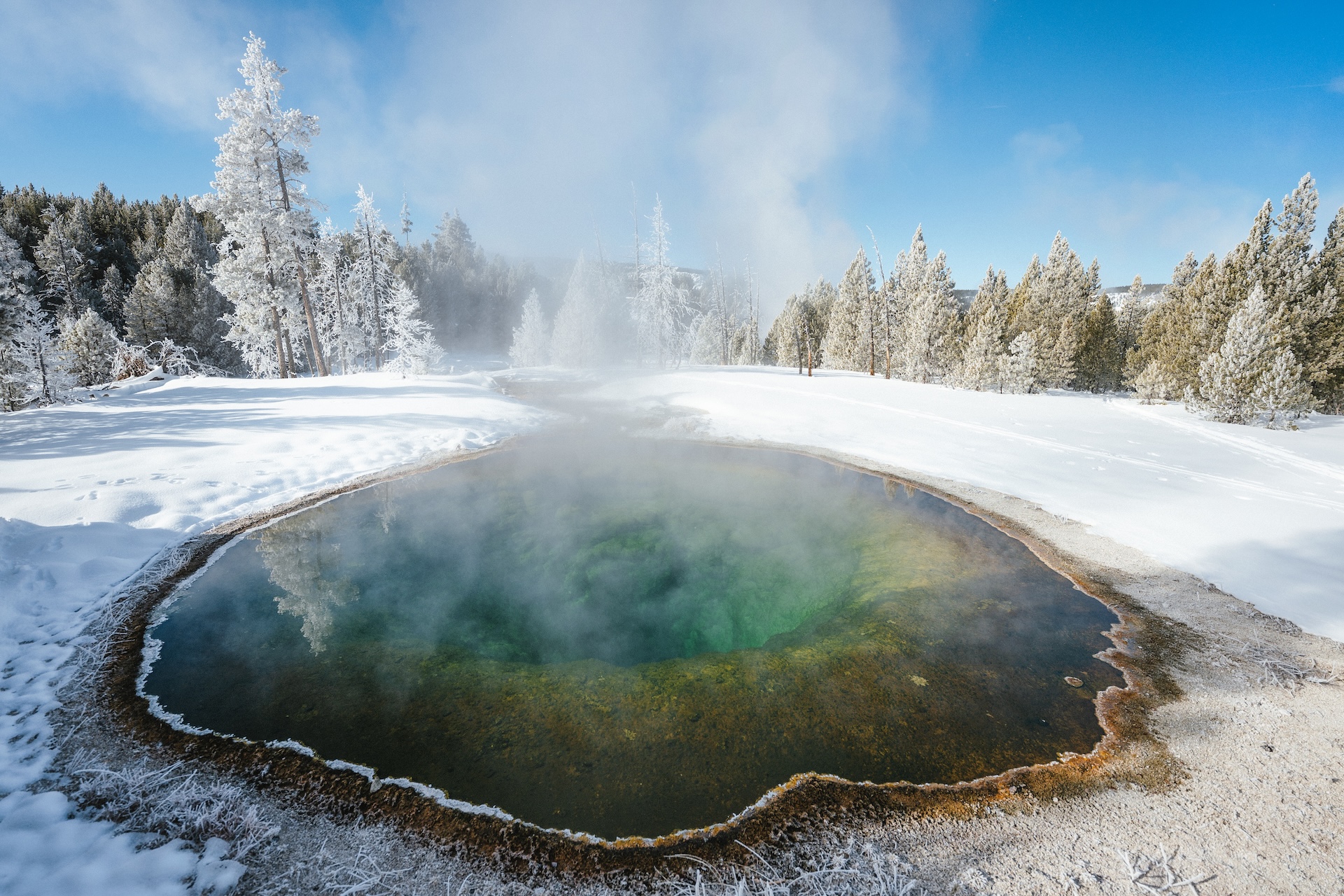
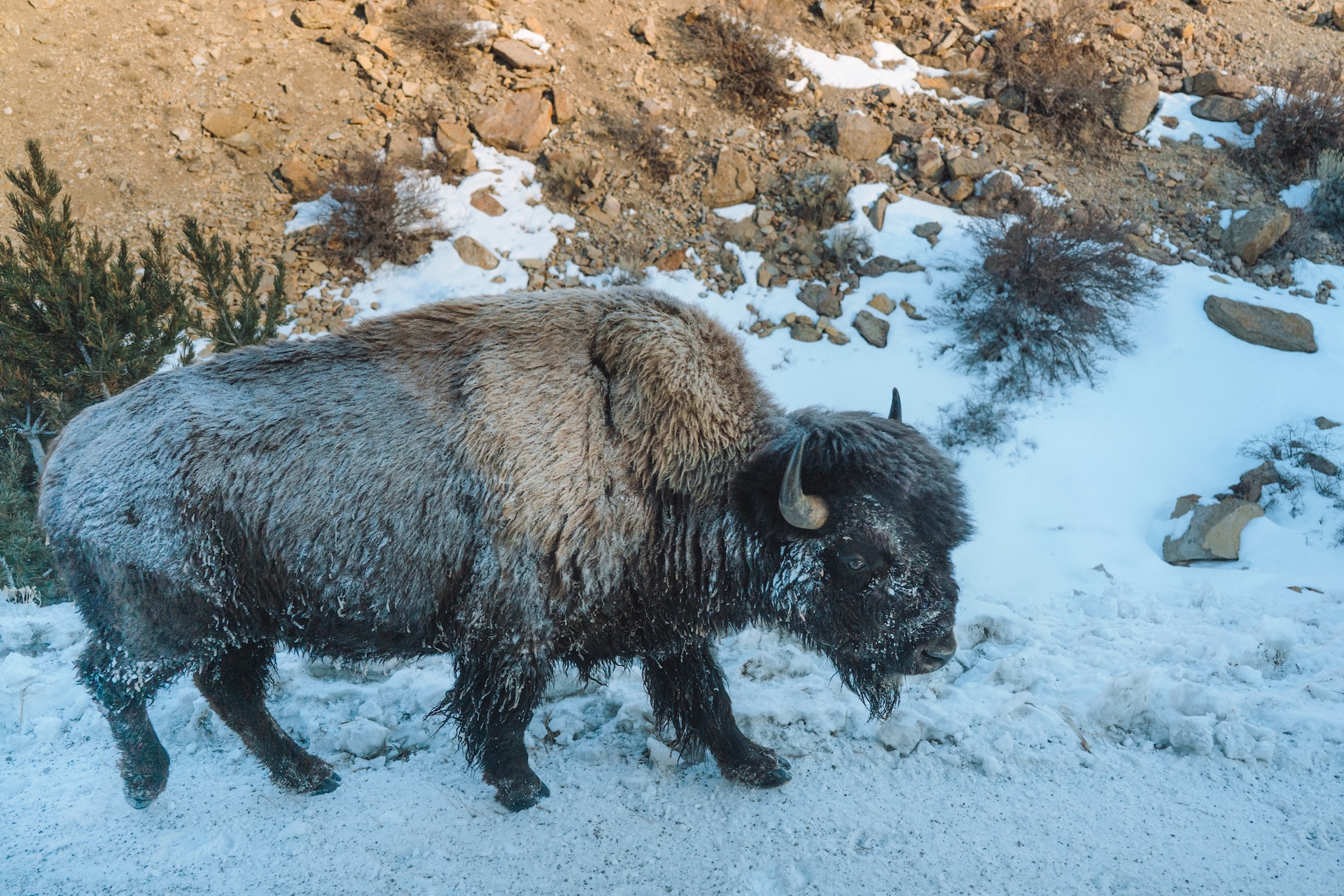
Learning & Insight: Yellowstone Through an Expert Lens
Traveling with a National Geographic Expedition Expert transforms Yellowstone’s winter beauty into a deeper experience of discovery. As the National Geographic Photographer and Expedition Expert on arecent Winter Wildlife Yellowstone trip, Max offered guests a seasoned perspective shaped by his years of knowledge and experience in the park.
“Traveling through Yellowstone in winter is already a rare experience. Under cover of snow the park becomes quieter, more elemental and almost prehistoric,” he said. “But exploring it in a small group alongside a National Geographic Expedition Expert fundamentally changes how deep that experience can become.”
With Max walking alongside them, guests moved beyond observation, gaining a deeper understanding of animal behavior, geological processes, and the subtle connections that shape Yellowstone’s landscape.
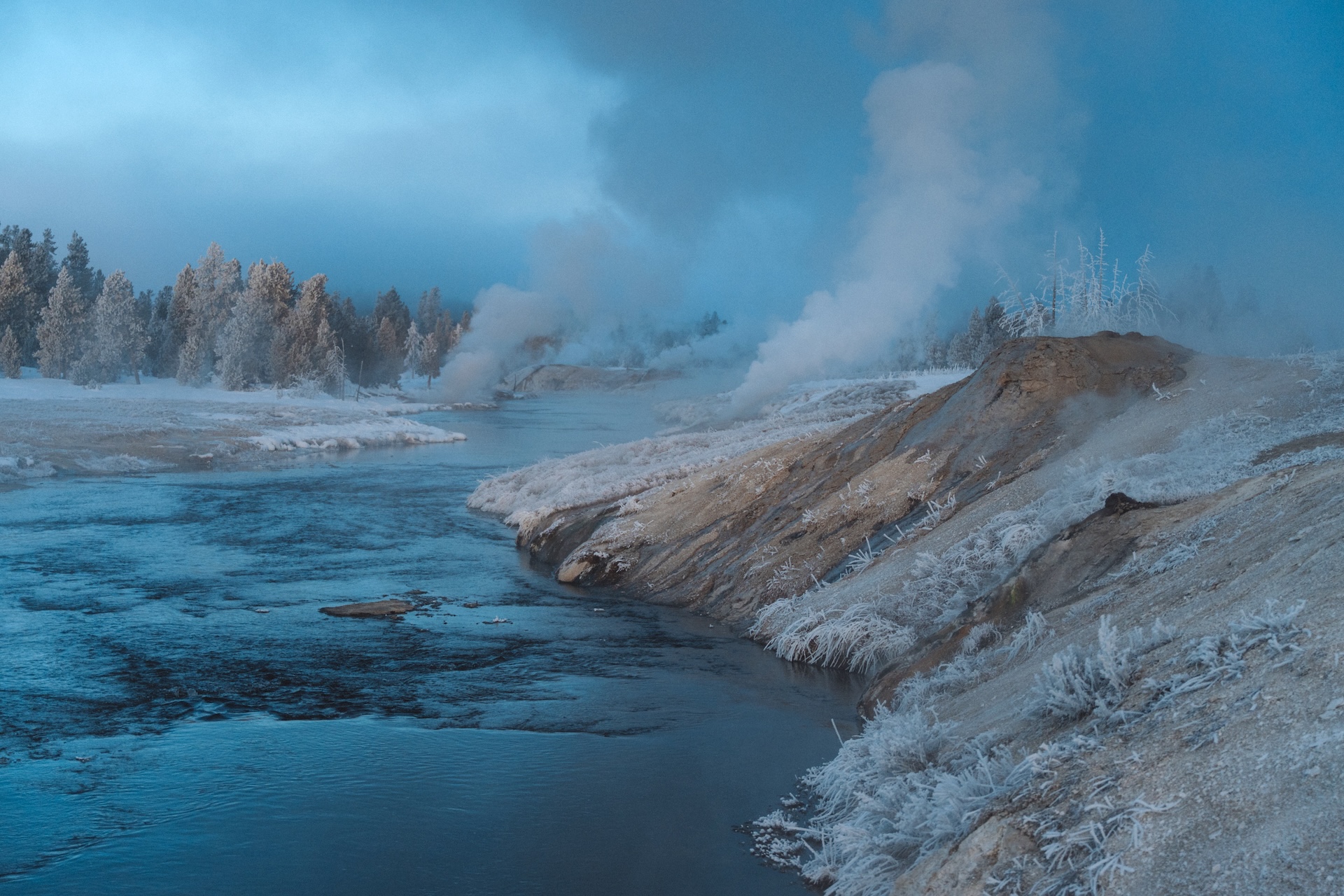
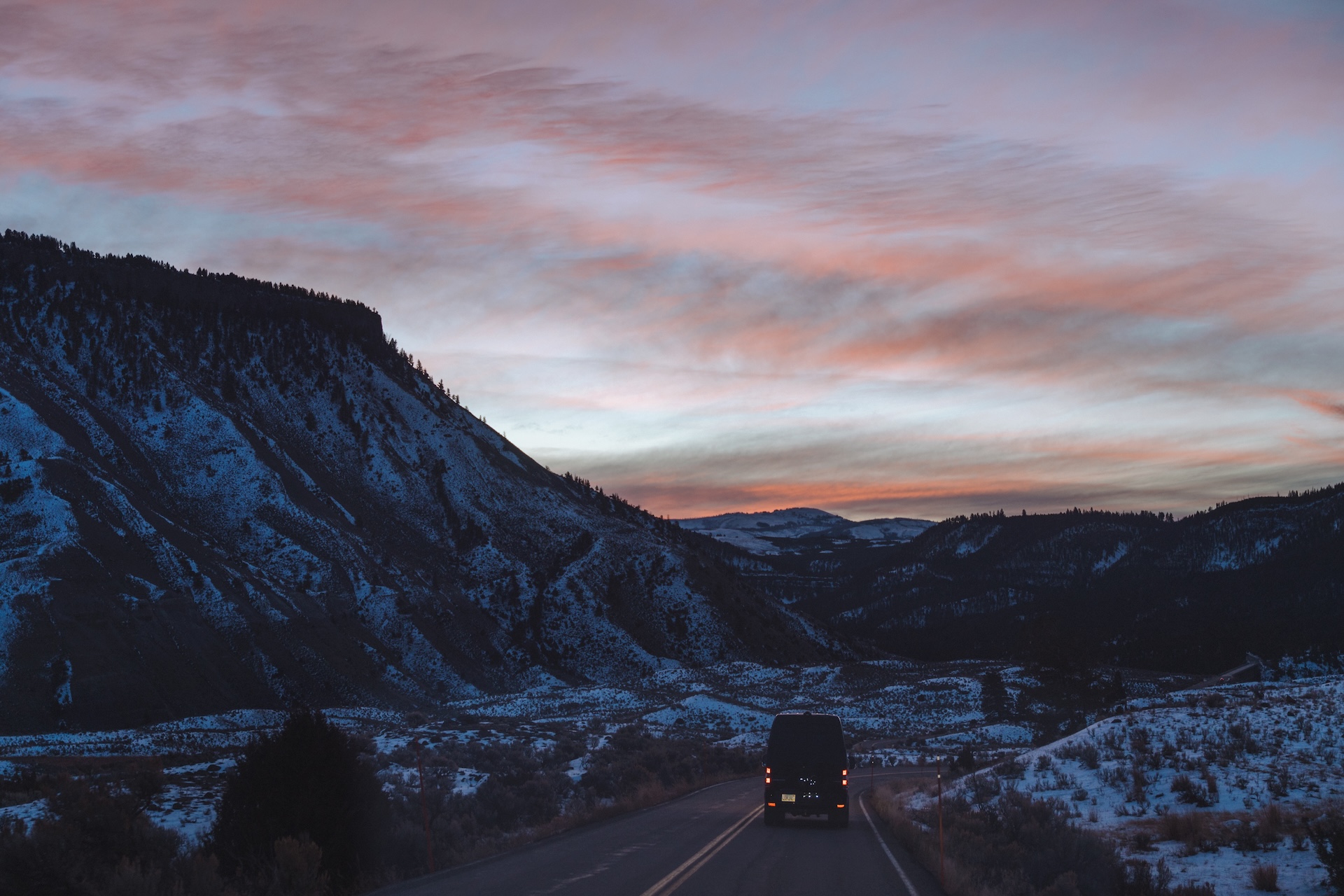
“What guests gain first is access through understanding,” Max shared. “On your own, you might witness wolves moving across the Lamar Valley or steam rising from a thermal basin at sunrise and recognize that it’s beautiful. With an Expedition Expert beside you, a photographer, naturalist, or scientist who has spent years in the ecosystem, those moments carry context.”
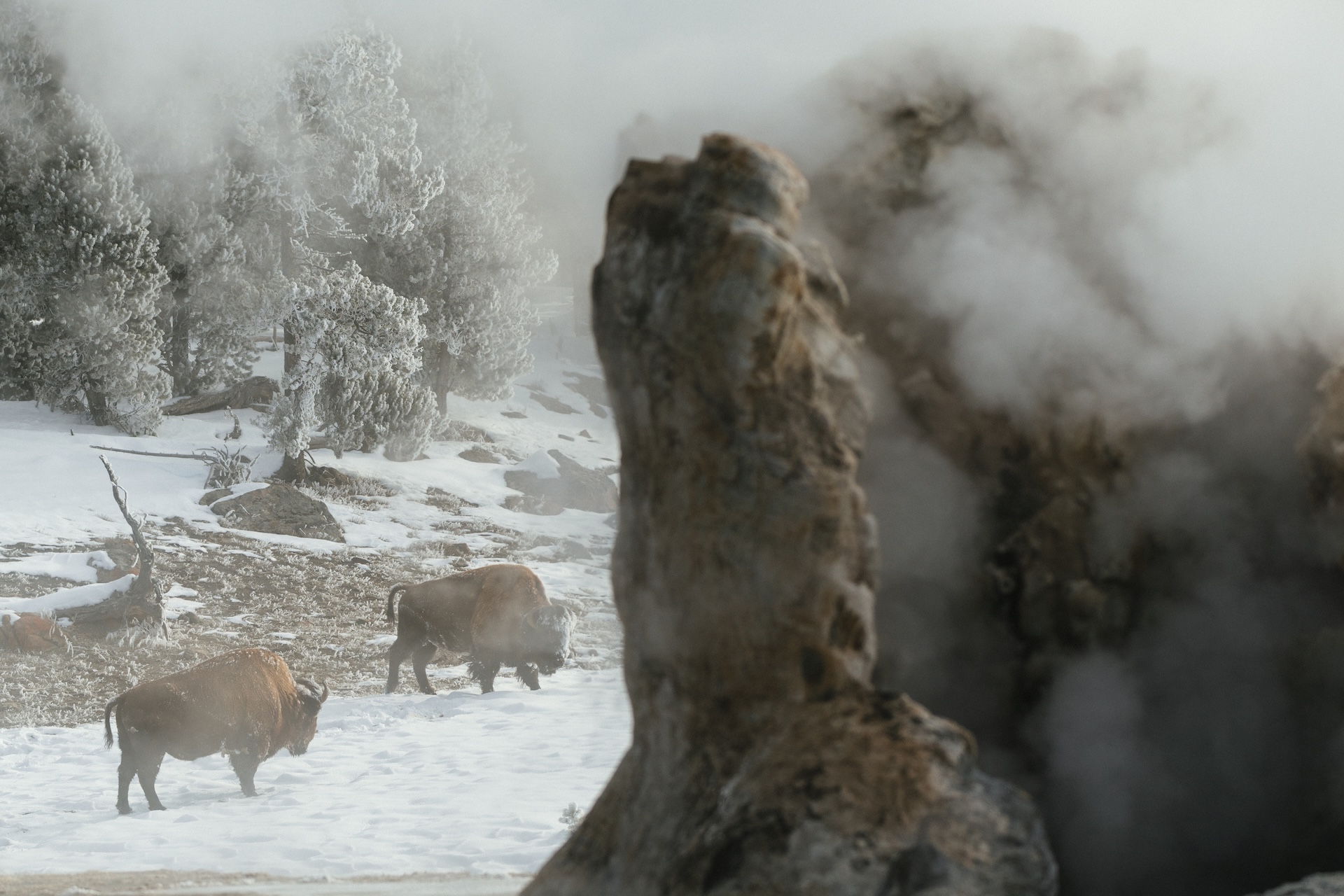
Pace, Presence & Process: Moving Through the Landscape Together
That deeper understanding unfolds when travelers slow their pace and move through the landscape with intention. For Max, photography is a way to help guests engage more fully with Yellowstone, where every ridgeline, bison crossing, and billowing cloud of steam carries a story.
“When people arrive in a place like Yellowstone without a camera, it’s easy to move quickly, stopping at viewpoints, taking in the spectacle, and continuing on,” he said. “But when you engage with the world around you with a camera, even just a phone, your pace naturally slows.”
Rather than lecturing from the front, Max prefers to walk alongside travelers, pointing out subtle shifts in light and movement, and encouraging them to notice details they might otherwise miss.
“I think of these trips as shared explorations rather than guided tours,” he explains. “My goal isn’t to stand in front of a group and lecture, it’s to move through the landscape together, slowing down enough that people begin to notice things for themselves.”
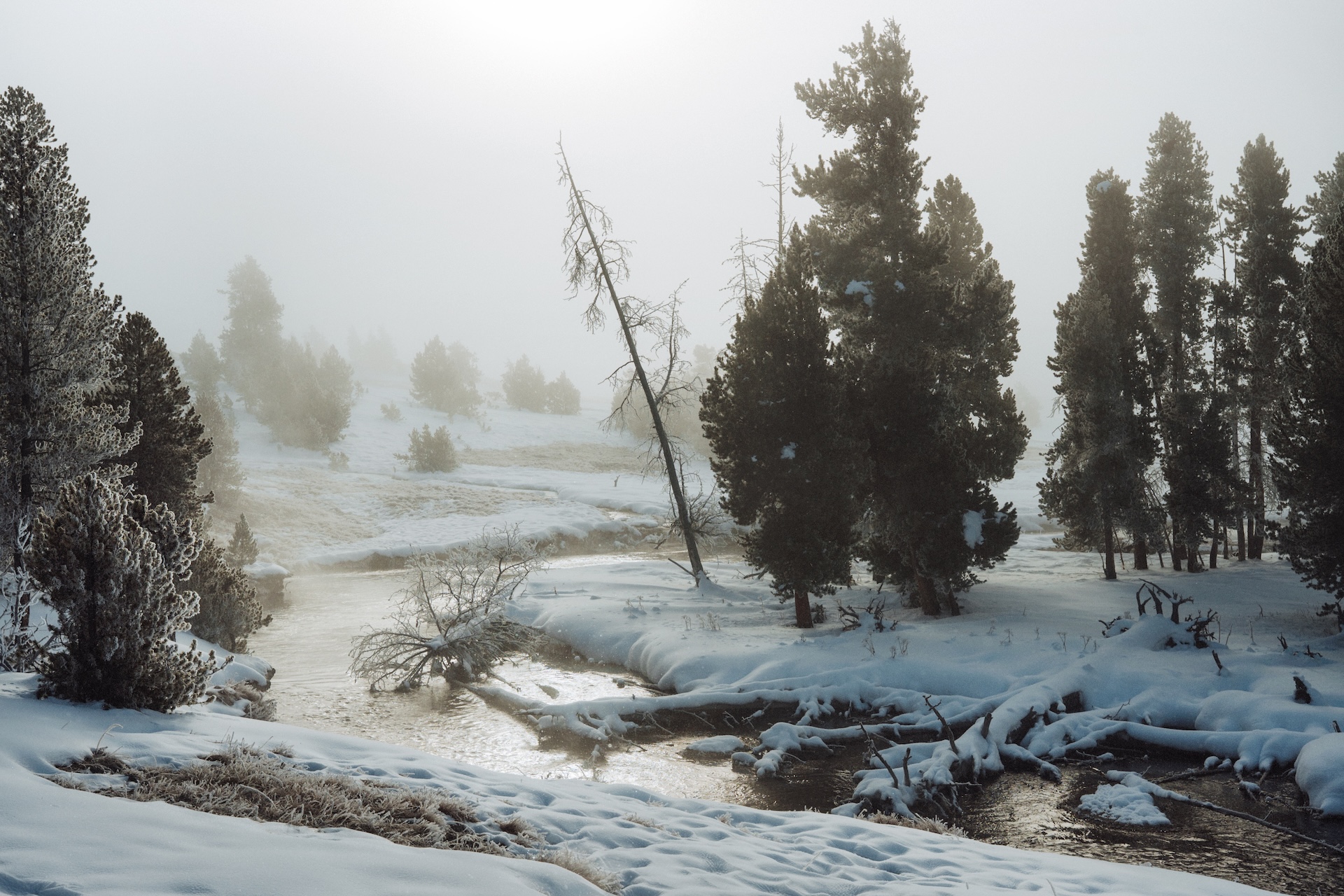
Trip Photography: Capturing Connection, Not Perfection
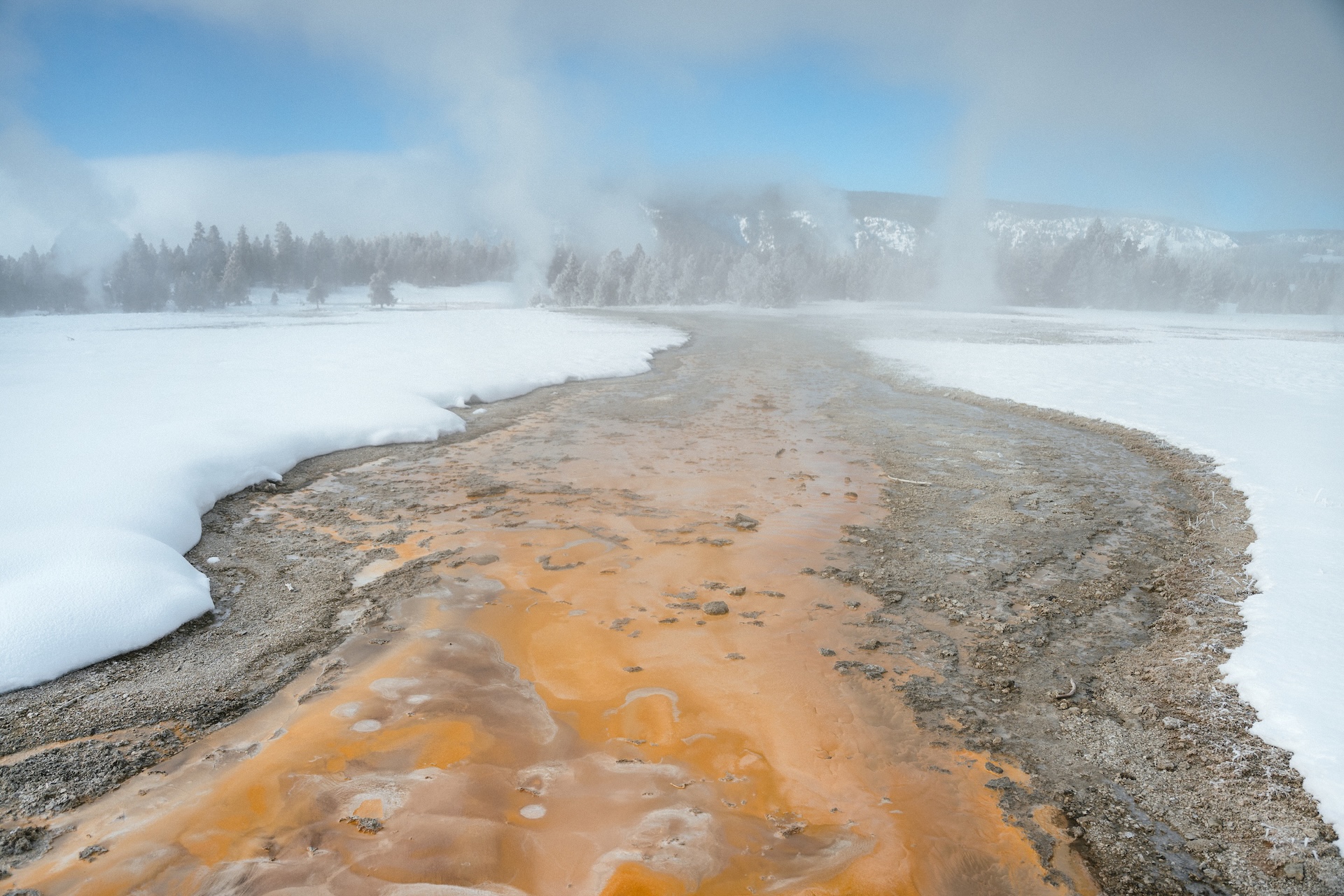
Guests traveling with National Geographic Expeditions who are interested in capturing photos arrive with a wide range of photography experience, ranging from seasoned photographers to those exploring the craft more intentionally for the first time. What unites them, however, is curiosity and a desire to learn from a professional in the field.
“With National Geographic Expeditions, guests benefit from real-time mentorship that goes far beyond camera settings,” Max said. “A National Geographic Photographer like myself helps people learn how to anticipate light, compose within a chaotic natural environment or tell a story through images rather than simply collecting snapshots.”
One of his first steps is to remove the pressure of chasing the so-called “perfect” image. Instead, Max encourages everyone to focus on a few powerful fundamentals – adjusting for light, stabilizing a camera in the weather conditions, and composing scenes that feel balanced and thoughtful. In this process, photography becomes less about gear and more about engagement.
“Photography naturally becomes a tool for connection on these trips,” he explains. “Whether someone is carrying a professional camera or a phone, I try to help guests feel more confident in how they see and understand light, how to anticipate moments worth capturing and to tell stories through those images.”


A Hidden Gem: Early Mornings in Yellowstone
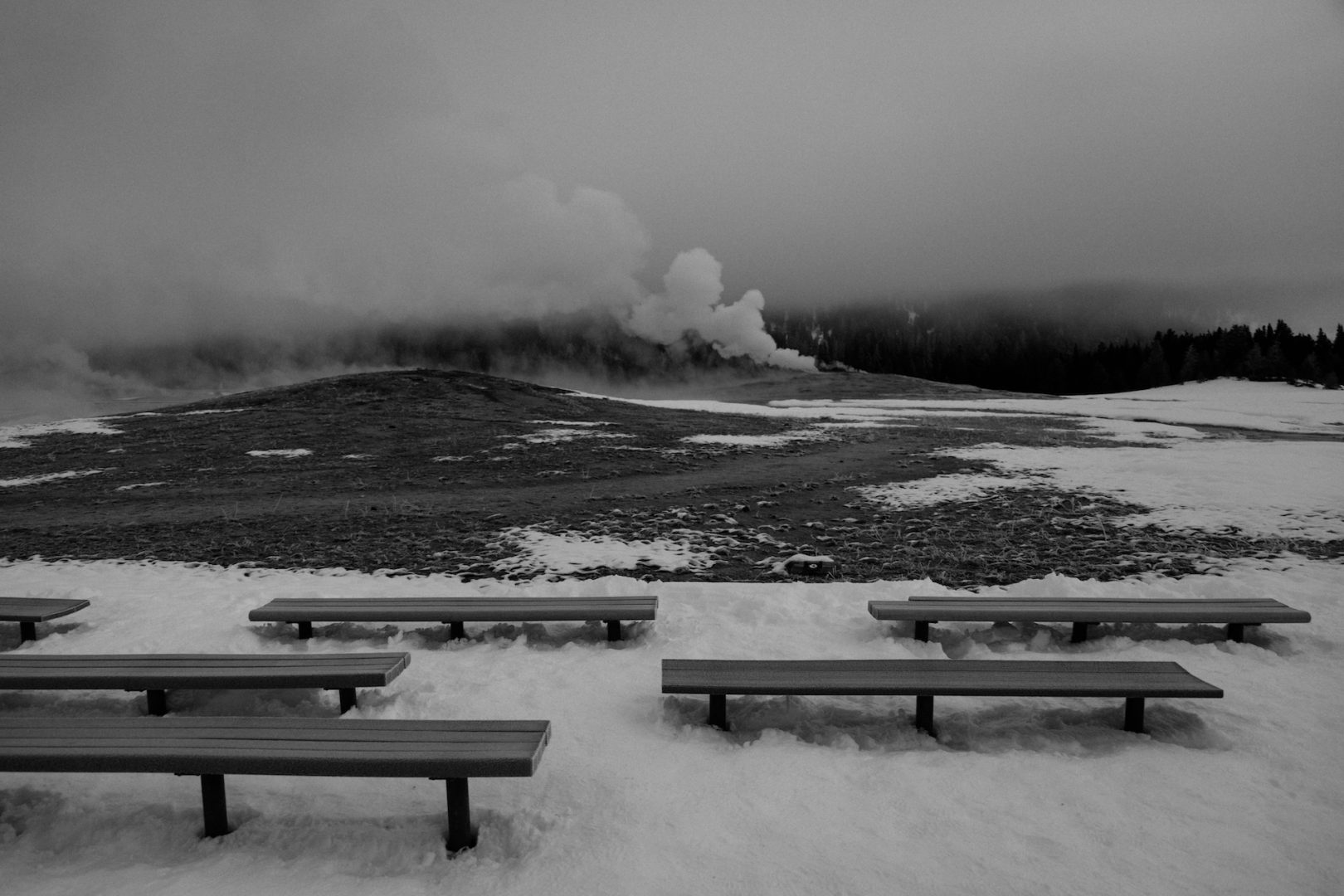
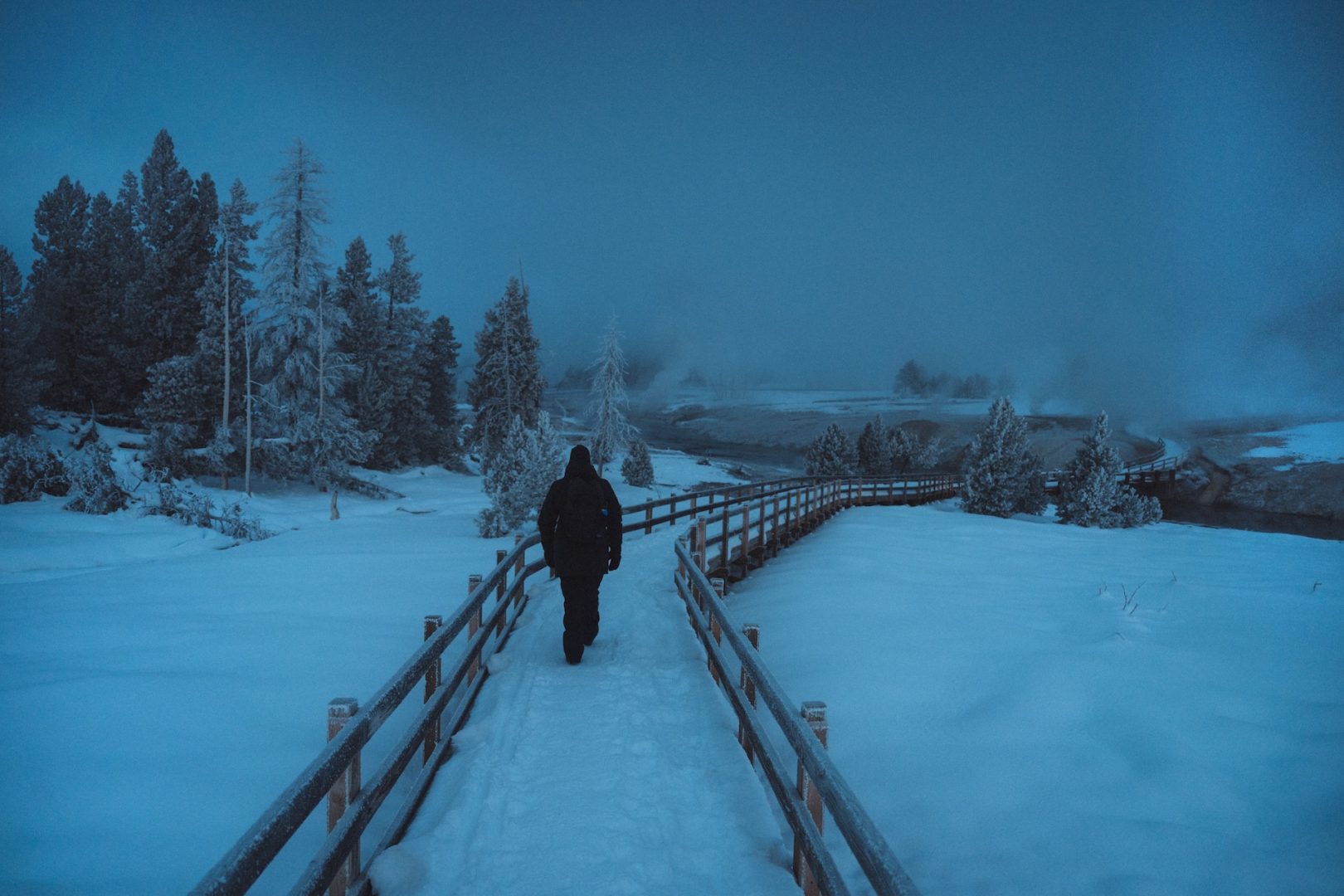
Max often says some of the most unforgettable moments in Yellowstone unfold when most of the world is still asleep. In the quiet moments before dawn or long after sunset, travelers witness the landscape transform in ways that are breathtaking.
“The early mornings and late nights in Yellowstone reveal a version of the park that feels almost secret,” Max said.
Standing together in the cold darkness, waiting for the first light of day, guests aren’t just observing the landscape, they’re fully present within it.
“There’s a heightened awareness that comes from standing quietly in the dark, waiting for light,” he explains. “Photography becomes less about capturing spectacle and more about witnessing transition.” This intentional pacing mixed with thoughtful access and insight are hallmarks of National Geographic Expeditions and allow travelers to form lasting connections rooted in exploration, learning, and discovery.
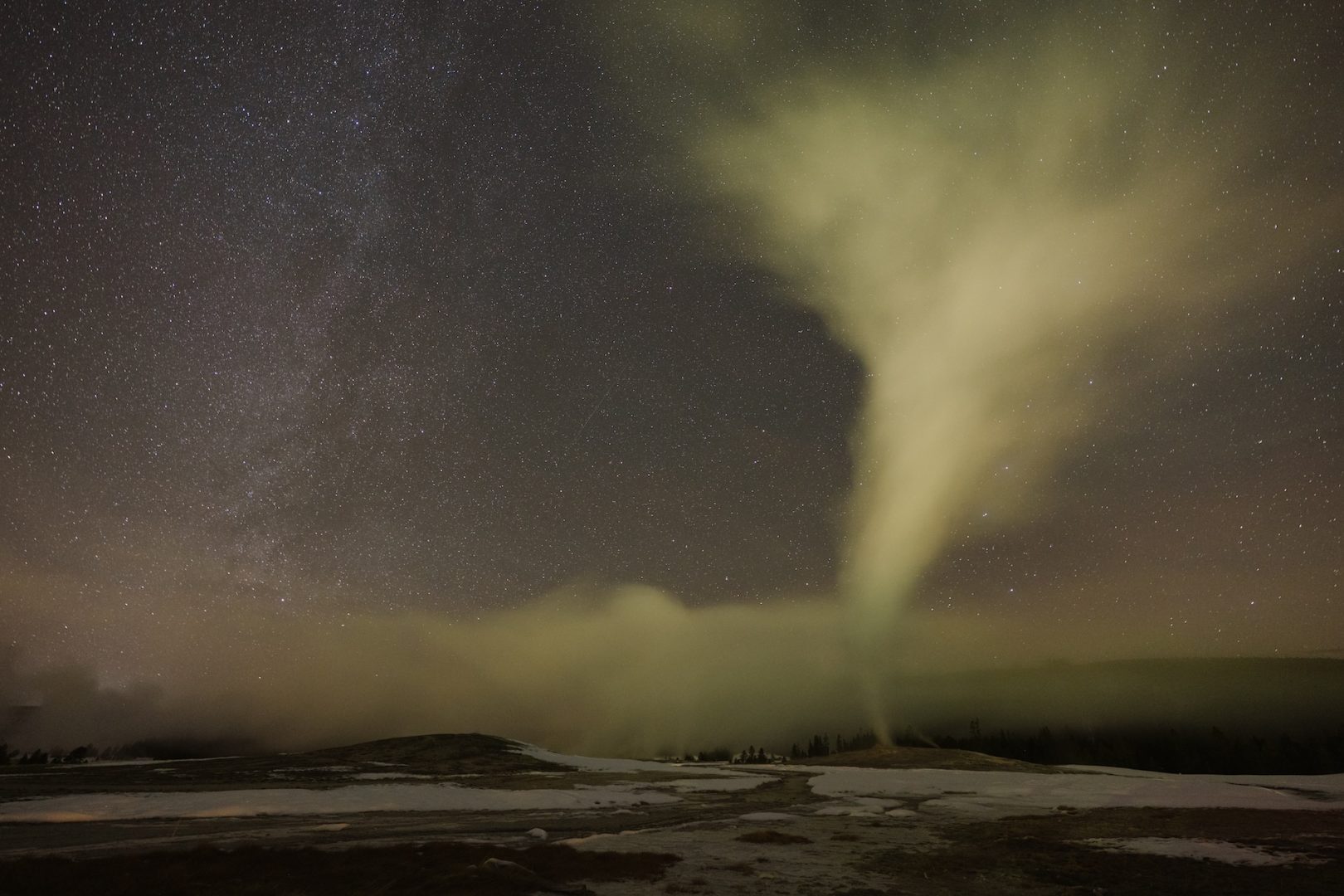
Moments That Stay with You: The Story Behind the Photo
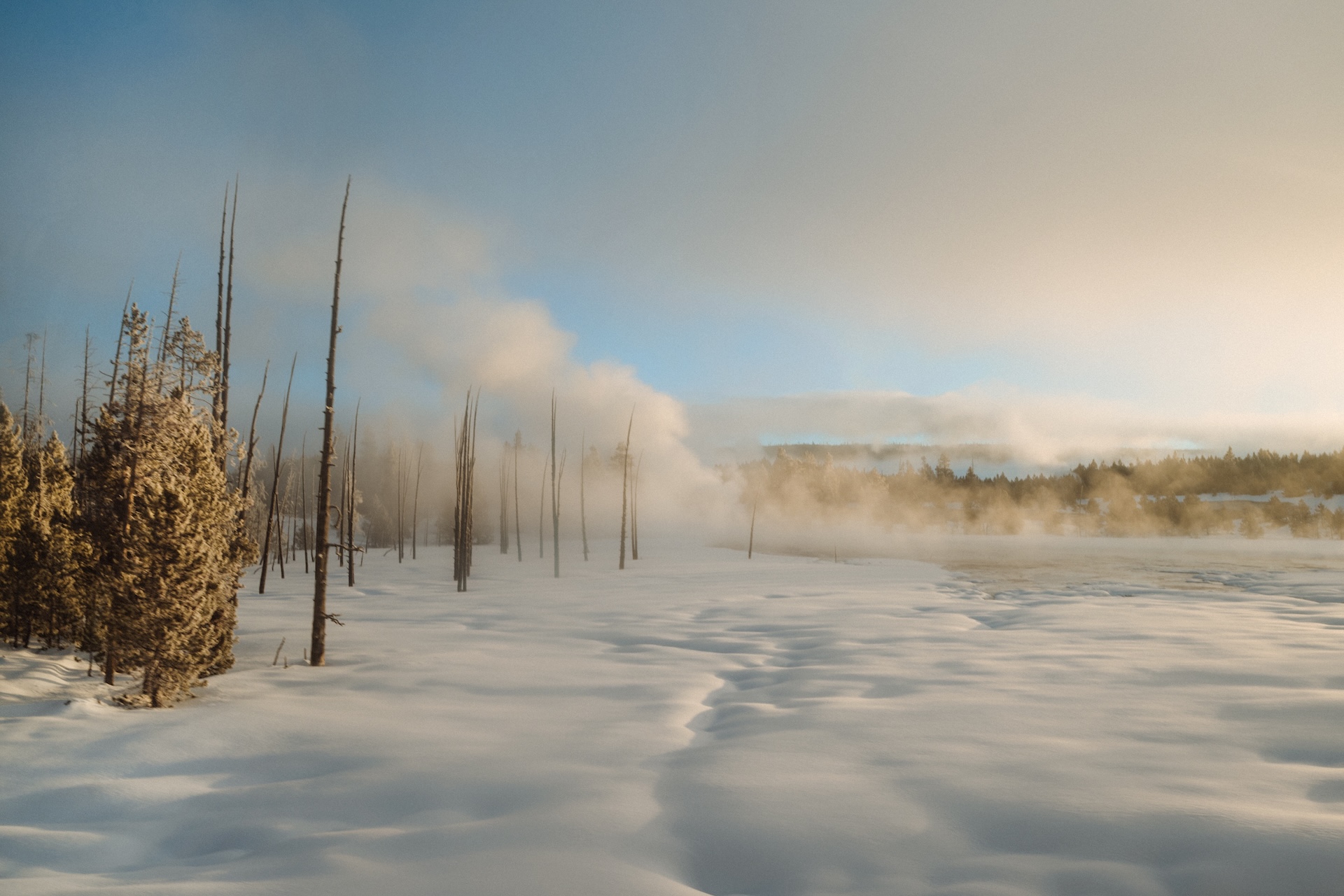
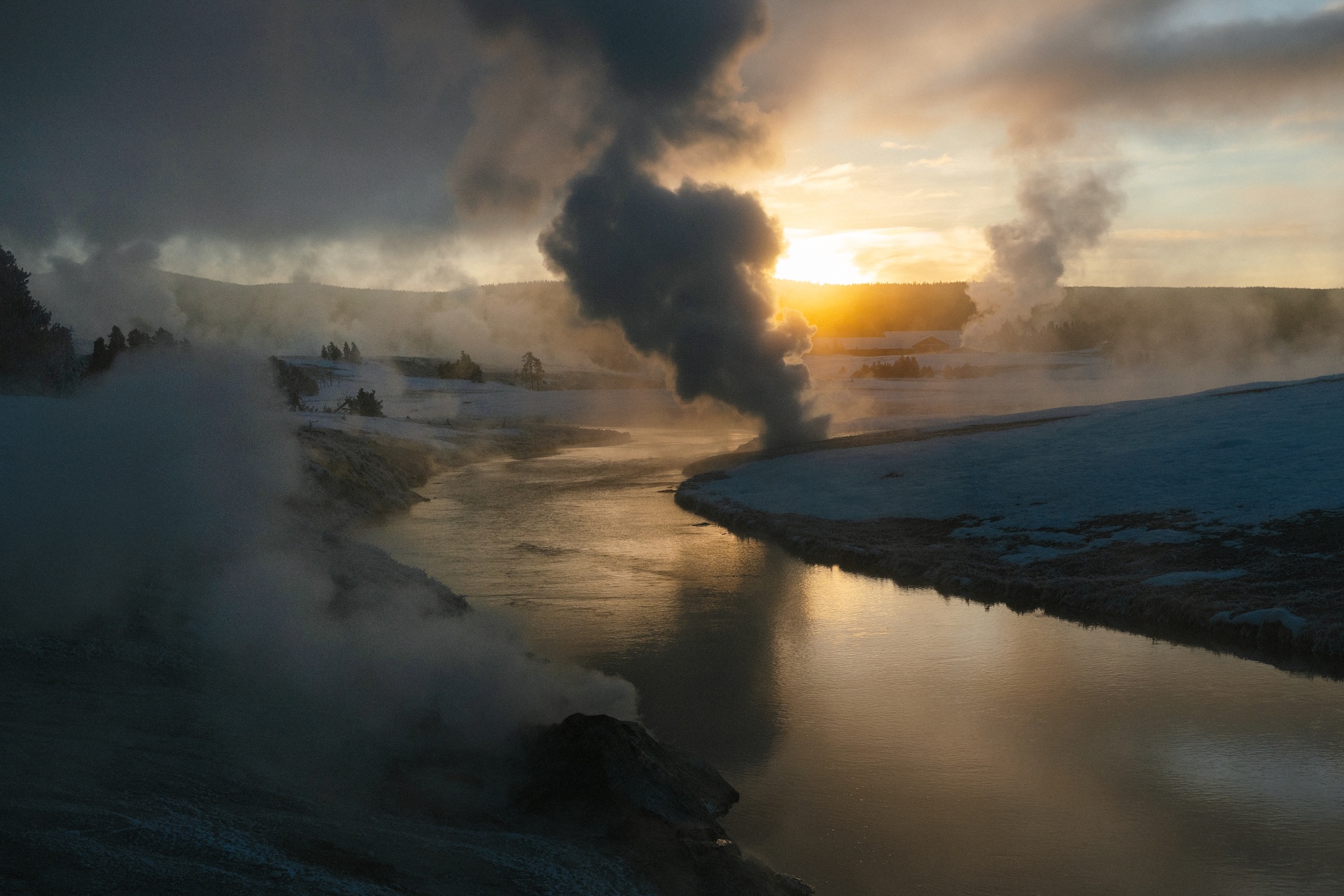
That sense of stillness and anticipation is most perfectly demonstrated in this photograph from Max’s most recent expedition. After spending the night near Old Faithful, and undeterred by the cold, guests layered up and joined Max for a 4 a.m. walk towards the geyser basin, arriving just before sunrise.
Standing on the bridge over the Firehole River below Castle Geyser, the first light of day quietly crept across the landscape. “Suddenly, the entire basin came alive,” Max recalls. “Soft dawn colors filtered through the rising steam as countless thermal vents released plumes into the frigid air.”
The resulting image represents more than just a striking scene. “The photograph I captured in that moment felt less like documenting a place and more like an ode to the experience itself – the cold, the quiet, the shared commitment of getting up early,” he explains. “And the fleeting beauty that reveals itself to those willing to meet the landscape on its terms.”
Expert Travel Tips: Getting Ready for a National Geographic Expeditions Trip
Ready to explore with National Geographic Expedition Experts like Max? Preparation ensures travelers are ready to fully embrace the adventure. For those planning a trip with National Geographic Expeditions, Max has the following travel tips:
Expert Travel Tips
-
Come prepared for changing conditions
“National Geographic Expeditions often operate in dynamic environments, so pack adaptable layers, good footwear and gear suited for variable weather. Comfort allows you to stay present in the experience.” -
Know your gear before you arrive
“Whether it’s a camera, phone or binoculars, spend time learning the basics ahead of the trip so you can focus on exploration rather than troubleshooting equipment.” -
Stay curious and open-minded
“The biggest rewards often come from unexpected moments like wildlife encounters, weather shifts or spontaneous learning opportunities with the Expedition Experts on the trip.” -
Pace yourself
“These trips are immersive. Rest when you can, stay hydrated and give yourself energy to fully enjoy early mornings, field excursions and evening discussions.” -
Be ready to engage
“Ask questions, share perspectives and connect with your fellow travelers and Expedition Experts. The small-group environment is a huge part of what makes the experience meaningful, and youhave to find your place in shaping it alongside your peers.”
Check out Max’s upcoming expeditions and more than 200 itineraries at NationalGeographicExpeditions.com, or contact your travel agent.